Fresh and Functional: A Practical Guide to Living Room Color Schemes 2026
A practical guide for homeowners and renters looking for practical decorating ideas on living room color schemes 2026, covering the best next steps, tradeoffs, and when to call a pro.
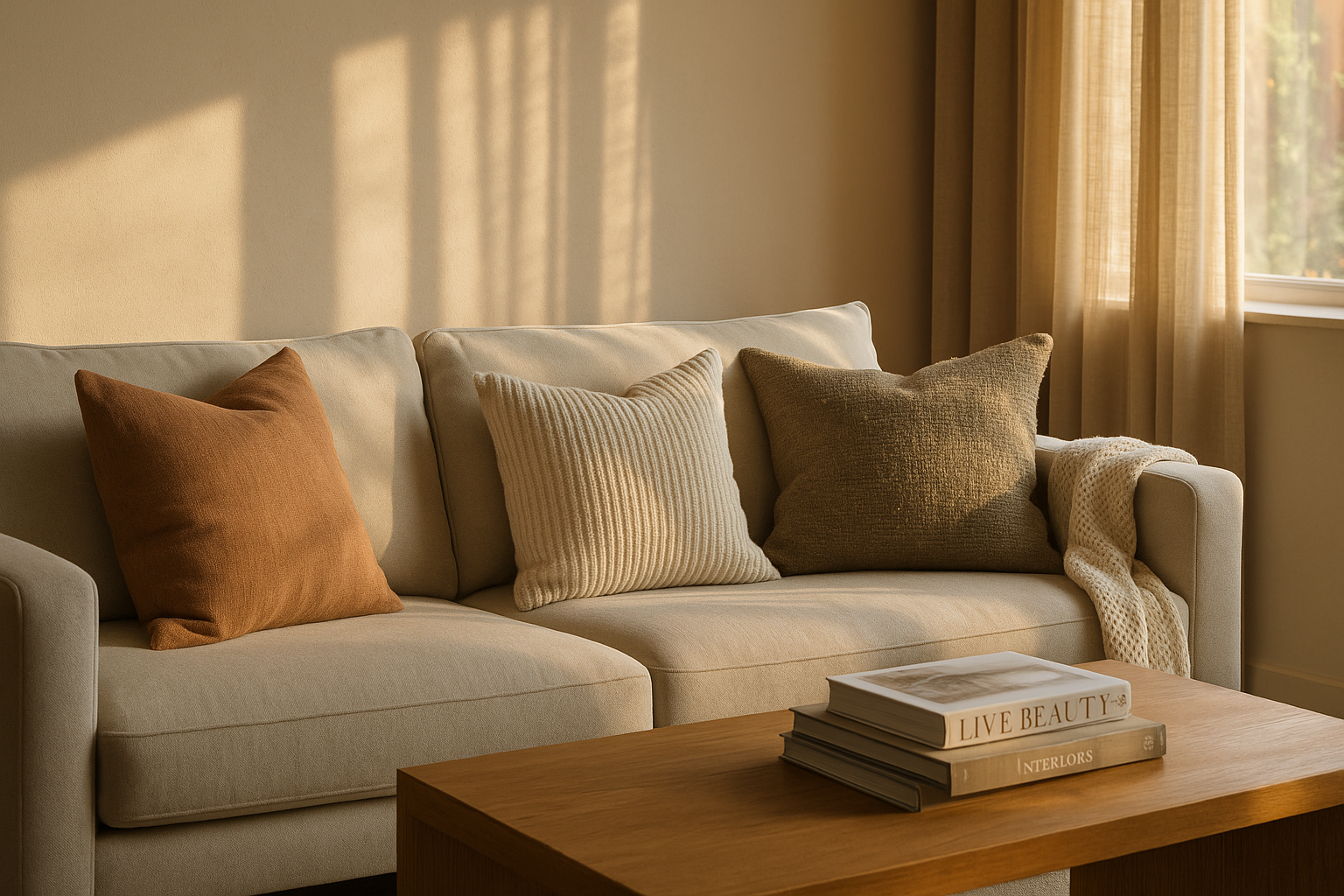
As we approach 2026, living room color schemes are evolving to balance timeless appeal with modern sensibilities. Whether you own your home or rent, choosing the right palette is one of the most impactful decisions you can make to refresh your space. The right colors don’t just set the mood—they influence how you use the room, how light interacts with surfaces, and even your daily wellbeing.
This guide offers practical, down-to-earth advice on living room color schemes 2026, focusing on what works best right now, what to avoid, and when to consider professional help. From planning to execution, it’s designed for anyone wanting a stylish, safe, and sustainable update without unnecessary stress or expense.
Why Living Room Color Schemes 2026 Matter More Than Ever
Color trends come and go, but the 2026 palette reflects deeper shifts in lifestyle and design priorities. Post-pandemic, many homeowners and renters want spaces that feel calming yet invigorating—places for work, rest, and socializing. The colors you choose can support these needs by affecting mood, perceived space, and even productivity.
Moreover, energy efficiency and sustainability are shaping paint and decor choices. Colors that optimize natural light reduce reliance on artificial lighting, while low-VOC and eco-friendly paints help maintain indoor air quality. The 2026 trends also emphasize versatility, allowing you to update your look easily without a full repaint.
In short, understanding the living room color schemes 2026 helps you create a space that’s beautiful, practical, and future-proof.
What to Check First Before Picking Your 2026 Palette
Before buying paint samples or swatches, take stock of your living room’s unique characteristics and your lifestyle needs. Here are the key considerations:
1. Assess Natural and Artificial Lighting
Lighting dramatically changes how colors appear. South-facing rooms get warm, bright light that enhances cool tones, while north-facing rooms benefit from warm colors to counteract cooler natural light. Check your living room at different times of day and note how sunlight and lamps affect the walls.
2. Consider Existing Fixtures and Furnishings
If you’re not starting from scratch, your sofa, flooring, and window treatments will influence your color choices. Aim for harmony between walls and key furniture pieces to avoid clashing or a disjointed look.
3. Evaluate Room Size and Ceiling Height
Light colors tend to open up small or low-ceilinged rooms, making them feel larger and airier. Darker shades can add coziness but may shrink perceived space if overused. Measure your room and think about how you want it to feel.
4. Plan for Lifestyle and Usage
Families with children or pets may want durable, stain-resistant paint finishes in practical shades. Renters often prefer neutral tones that allow easy touch-ups or repainting without risking their deposit.
Best Living Room Color Schemes for 2026: Practical Options and Tradeoffs
With your room’s specifics in mind, here are some of the top color schemes trending in 2026, along with their pros, cons, and ideal use cases.
1. Warm Neutrals with Earthy Accents
Soft beige, warm taupe, and creamy ivory remain popular as base colors. These neutrals create a soothing backdrop that pairs well with terracotta, olive green, or muted ochre accents.
- Pros: Timeless, adaptable, easy to accessorize.
- Cons: Can feel bland if not layered with texture or contrast.
- Best for: Renters or homeowners wanting a low-risk, elegant look.
2. Moody Blues and Deep Greens
Rich navy, slate blue, and forest green add depth and sophistication. These colors work well on accent walls or cabinetry, balanced by lighter shades.
- Pros: Creates a dramatic, cozy atmosphere.
- Cons: Requires good lighting to avoid feeling oppressive.
- Best for: Larger rooms or spaces with ample natural light.
3. Soft Pastels and Muted Hues
Lavender-gray, blush pink, and sage green provide gentle color without overwhelming. These tones are calming and modern, especially when combined with white trim and natural wood.
- Pros: Versatile, refreshing, and gender-neutral.
- Cons: May show dirt or wear more easily.
- Best for: Smaller rooms or those seeking a subtle update.
4. Bold Accent Walls with Neutral Bases
A single wall painted in a saturated color like burnt orange, charcoal, or teal can create a focal point without overwhelming the room.
- Pros: Adds personality and style without full commitment.
- Cons: Accent walls can date quickly if trends shift.
- Best for: Renters or those wanting an easy, budget-friendly change.
5. Monochromatic Layers
Using varying shades of the same color, such as different grays or beiges, creates a cohesive and sophisticated look with visual interest.
- Pros: Elegant and easy to decorate around.
- Cons: Requires careful selection to avoid dullness.
- Best for: Minimalist or modern interiors.
Common Mistakes to Avoid When Choosing Living Room Colors
Even with the best intentions, some pitfalls can undermine your living room update. Avoid these to save time, money, and frustration:
1. Ignoring Lighting Effects
Choosing colors only from paint chips under store lighting leads to surprises at home. Always test samples on your walls and observe them in natural and artificial light before committing.
2. Overlooking Paint Finish and Durability
Flat paints look great but can be difficult to clean. High-traffic living rooms benefit from satin or eggshell finishes, which balance aesthetics and practicality. Also, check paint labels for VOC content to maintain indoor air quality.
3. Skipping Prep Work
Painting over dirty, glossy, or damaged surfaces results in poor adhesion and uneven color. Proper cleaning, sanding, and priming are essential, especially with dark or bold colors.
4. Choosing Trendy Colors Without a Backup Plan
Trends evolve quickly. If you invest in a bold or unusual color, consider how easy it will be to repaint or re-accessorize later. Renters should prioritize neutral bases for flexibility.
5. Neglecting Safety and Ventilation
Painting and using adhesives emit fumes that can irritate eyes and lungs. Always ventilate the room well and avoid painting when children or pets are present.
When to Call a Pro: Knowing Your Limits
While many homeowners and renters can tackle painting and color selection themselves, some situations require professional expertise:
Complex Surface Preparation or Repairs
If your walls have extensive damage, mold, or require plastering, a contractor ensures a smooth, lasting finish.
Large-Scale Color Consultations
Interior designers or color consultants can help you harmonize colors with furniture, lighting, and architecture, especially if you’re aiming for a custom or high-end look.
Electrical or Structural Changes
Installing new lighting or built-in cabinetry to complement your color scheme may require licensed electricians or carpenters for safety and code compliance.
Time Constraints or Physical Limitations
Hiring painters can save time and guarantee quality if you have a busy schedule or physical challenges.
Quick Reference: Living Room Color Scheme Checklist for 2026
| Step | What to Do | Notes |
|---|---|---|
| 1. Evaluate Lighting | Observe natural and artificial lighting | Test paint samples in situ |
| 2. Inventory Existing Decor | Consider furniture, flooring, and textiles | Choose complementary colors |
| 3. Measure Room Size | Note dimensions and ceiling height | Adjust color intensity accordingly |
| 4. Choose Base Colors | Select neutrals or muted tones | Ensure flexibility for accents |
| 5. Pick Accent Colors | Add interest with deeper or brighter hues | Use sparingly for balance |
| 6. Test Samples | Paint test patches and observe over days | Check finish and durability |
| 7. Prepare Surfaces | Clean, sand, and prime walls | Crucial for longevity |
| 8. Paint Safely | Ventilate and use quality tools | Wear protective gear if needed |
| 9. Accessorize Thoughtfully | Use textiles, art, and lighting to complement | Layer textures and patterns |
| 10. Plan for Maintenance | Keep paint touch-up kits handy | Especially in high-traffic areas |
Frequently Asked Questions (FAQ)
What are the top color trends for living rooms in 2026?
Warm neutrals, moody blues, deep greens, soft pastels, and bold accent walls dominate 2026 palettes. These colors reflect a desire for comfort, versatility, and connection with nature.
Can renters safely paint their living rooms?
Yes, but always check your lease agreement first. Use removable or low-VOC paints and focus on neutral colors that are easy to repaint. Accent walls or temporary wallpaper are alternatives that minimize damage.
How do I know if a paint color will look good in my living room?
Test large samples on your walls and observe them at different times of day under natural and artificial light. Consider the room’s size, lighting, and existing furnishings.
Is it better to hire a professional painter or DIY?
For simple color updates on smooth walls, DIY is cost-effective. Hire professionals for surface repairs, tricky finishes, or if you want a flawless, time-efficient job.
How do I maintain the color and finish of my living room walls?
Clean walls gently with mild detergent and a soft cloth. Avoid abrasive cleaners. Keep touch-up paint handy for chips or stains, and repaint every 5–7 years depending on wear.