How to Choose the Best Sectional Sofa for Small Spaces: A Practical Guide
A practical guide for homeowners and renters looking for practical decorating ideas on best sectional sofa for small spaces, covering the best next steps, tradeoffs, and when to call a pro.
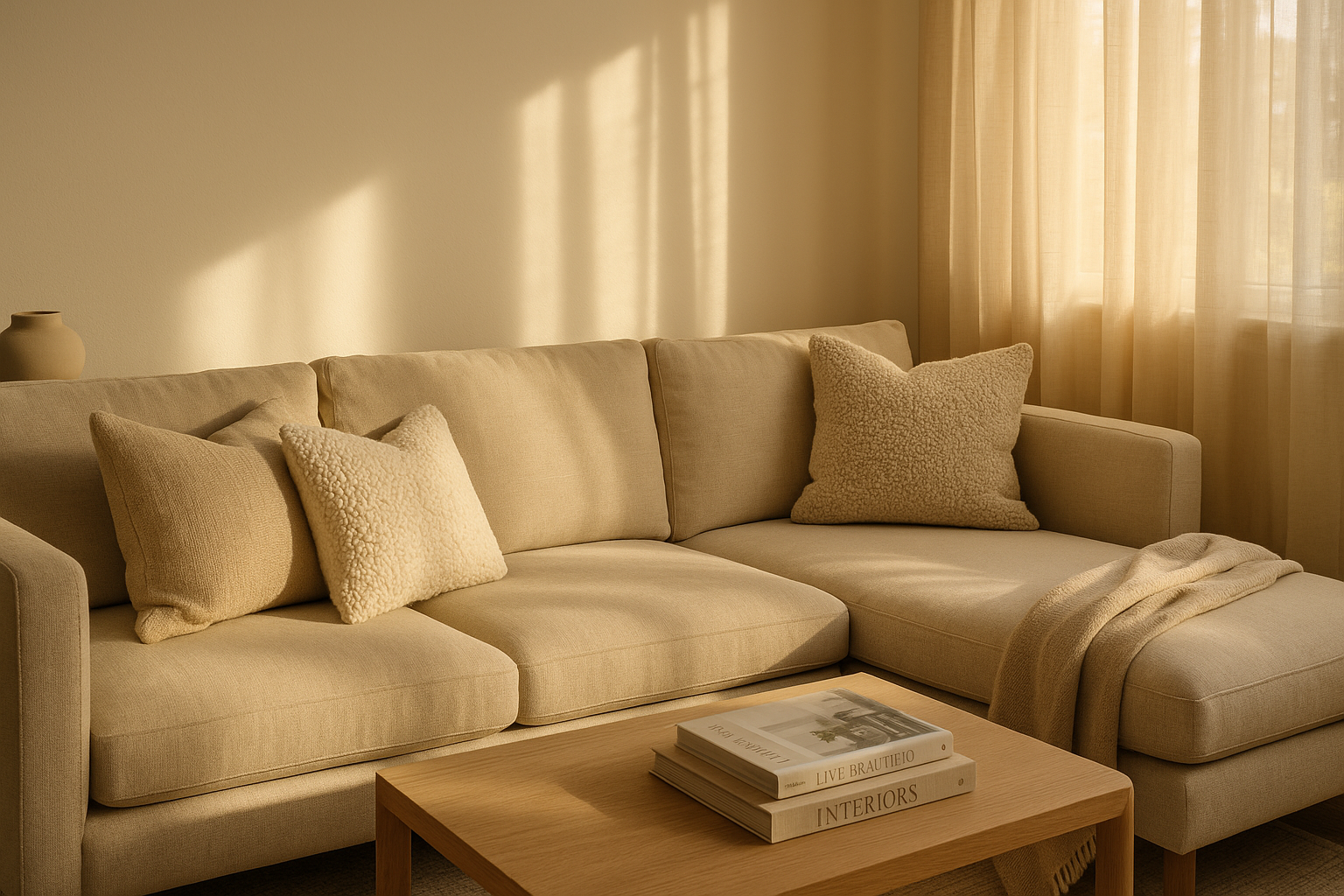
Finding the perfect sectional sofa for a small space can feel like solving a puzzle. You want something comfortable and stylish but compact enough to fit without overwhelming your room. The right sectional sofa can transform your living area into a cozy, functional haven that maximizes every inch without sacrificing design. This guide will walk you through what to consider, the best options available, common pitfalls to avoid, and when it’s time to bring in a professional.
Why Finding the Best Sectional Sofa for Small Spaces Matters
Small spaces demand smart furniture choices. Unlike sprawling living rooms where size is less of a concern, compact apartments, studios, or cozy homes require furniture that balances scale, function, and style. A sectional sofa offers flexible seating, often combining lounging and storage features, which is ideal for maximizing small rooms.
Choosing the wrong sectional can make a room feel cramped or cluttered, while the right one enhances flow and comfort. This is especially important for renters or homeowners who want to avoid costly replacements or complicated moves. Understanding the nuances of sectional sofas designed for small spaces ensures you invest wisely in a piece that suits your lifestyle and space constraints.
What to Check First Before Buying a Sectional Sofa for a Small Space
Before you start shopping, take these essential steps to set yourself up for success:
1. Measure Your Space Meticulously
Use a tape measure to record the length, width, and height of your living area, including doorways, hallways, and staircases through which the sofa will pass. Don’t forget to account for clearance space for walking around the sofa—generally, leave at least 30 inches of clearance.
Also, measure ceiling height and any architectural features like radiators, windowsills, or built-in shelves that could affect sofa placement.
2. Consider Your Room Layout and Flow
Sketch your room’s floor plan on graph paper or use an online room planner tool. Mark where doors, windows, and electrical outlets are located. Think about how you use the space—do you need a sofa that faces a TV, encourages conversation, or doubles as a sleeping area?
Understanding traffic patterns is key. Avoid blocking natural walkways or creating cramped corners that hinder movement.
3. Know Your Priorities: Comfort, Style, or Flexibility?
Identify what matters most. Are you after plush cushions for lounging, a modern minimalist look, or a sectional with storage compartments? Do you want a sleeper sofa for guests? Clarifying priorities will help narrow your options.
4. Check Your Budget and Delivery Constraints
Small space sectionals can range from budget-friendly to high-end designer pieces. Decide your budget early, factoring in potential delivery and assembly fees. Also, confirm the sofa’s weight and whether it requires professional assembly, especially if you live in an apartment with limited elevator or stair access.
Best Sectional Sofa Options for Small Spaces: Practical Choices and Tradeoffs
Here are some of the best sectional sofa types and features to consider for small spaces, with their advantages and limitations.
1. Modular Sectionals
Why they work: Modular sectionals come in separate pieces that you can arrange in different configurations. This flexibility allows you to customize your seating layout to fit your room’s shape and size.
Tradeoffs: Modular sofas can be pricier and sometimes less sturdy than fixed sectionals. Also, the more pieces, the more complicated assembly and moving can become.
2. Loveseat Sectionals or Apartment-Size Sectionals
Why they work: These are scaled-down versions of traditional sectionals, often combining a loveseat with a chaise lounge. They fit snugly in compact rooms without sacrificing comfort.
Tradeoffs: Loveseat sectionals offer less seating capacity, which might not be ideal for larger families or frequent entertaining.
3. Sectionals with Storage
Why they work: Integrated storage compartments under seats or in ottomans help keep clutter at bay—perfect for small spaces where every inch counts.
Tradeoffs: These models can be heavier and more expensive. Also, ensure the storage mechanism is easy to open and doesn’t interfere with the sofa’s placement.
4. Sleeper Sectionals
Why they work: If you need a multi-functional piece, a sectional with a pull-out bed offers seating by day and sleeping space by night.
Tradeoffs: Sleeper sectionals tend to be bulkier and heavier. The mattress quality varies, so test it if possible for comfort and durability.
5. Armless or Low-Profile Sectionals
Why they work: Removing bulky armrests or opting for a low-profile back creates a more open, airy feel, making the sofa appear less imposing in a small room.
Tradeoffs: Less arm support may reduce comfort for some users. Low backs might not provide enough lumbar support for long lounging sessions.
Common Mistakes to Avoid When Choosing a Sectional Sofa for Small Spaces
Even with careful planning, mistakes can happen. Here are some pitfalls to watch out for:
1. Ignoring Doorway and Stair Access
A beautiful sectional is useless if it can’t be delivered into your home. Before purchasing, verify the sofa’s dimensions against doorways, elevators, and staircases. Some retailers provide “fit guides” or delivery specialists to help with this.
2. Overlooking Weight Limits and Safety
If you plan to mount shelving or artwork above your sectional, ensure proper wall anchors rated for the weight. Avoid placing heavy furniture near unstable walls or windows. For sofas with reclining or mechanical features, follow manufacturer guidelines to prevent accidents.
3. Choosing Style Over Comfort
A trendy sofa might look great in photos but could be uncomfortable for daily use. Test cushions for firmness and durability. Read reviews about the sofa’s frame construction—solid hardwood frames typically last longer than particleboard.
4. Forgetting to Factor in Maintenance
Light-colored fabrics, delicate materials, or complex upholstery patterns may require frequent cleaning or professional care. For homes with kids or pets, stain-resistant or washable covers are practical choices.
5. Neglecting Room Lighting and Color Coordination
A dark, bulky sectional in a poorly lit room can make the space feel smaller. Consider lighter fabrics or sectional colors that complement your walls and flooring to enhance the room’s openness.
When to Call a Pro: Knowing Your Limits
While many homeowners and renters can successfully choose and assemble a sectional sofa on their own, certain situations warrant professional help:
1. Custom Sectionals or Built-In Seating
If you want a sectional tailored to an unusual room shape or integrated into built-in shelving, a professional designer or carpenter can ensure perfect fit and finish.
2. Electrical or Mechanical Features
Sectionals with built-in lighting, USB ports, or recliners with wiring should be installed or inspected by licensed electricians to avoid fire hazards or malfunction.
3. Complex Delivery and Assembly
Heavy or modular sectionals often require multiple people and special tools to assemble safely. Professional delivery services can prevent damage to your sofa and your home.
4. Structural Modifications to Your Space
If placing a sectional requires moving walls, adding support beams, or altering doorways, always consult a contractor or structural engineer.
FAQ: Best Sectional Sofa for Small Spaces
Q1: How do I know if a sectional sofa will fit in my small living room?
Measure your living room carefully, including doorways and hallways. Use floor plans or online room planners to visualize different configurations before buying.
Q2: Are sectional sofas more expensive than regular sofas?
Not necessarily. Sectionals come in a range of prices. Compact or apartment-size sectionals are often competitively priced, but custom or feature-rich models tend to cost more.
Q3: Can a sectional sofa work in a studio apartment?
Yes! Choose a modular or loveseat sectional with storage or sleeper features to maximize seating and functionality without crowding your space.
Q4: What materials are best for small space sofas?
Lightweight frames like aluminum or engineered wood, combined with durable, stain-resistant fabrics, are ideal. Avoid overly bulky or heavy materials that can make a small room feel cramped.
Q5: How do I maintain a sectional sofa to keep it looking new?
Vacuum regularly, spot clean spills promptly, and use fabric protectors if recommended. Rotate cushions to prevent uneven wear and consider professional cleaning annually for fabric sofas.
Quick Reference Checklist: Choosing the Best Sectional Sofa for Small Spaces
| Step | Key Action | Notes |
|---|---|---|
| Measure space & access points | Record room & passage dimensions | Include doorways, hallways, elevators |
| Assess room layout & traffic | Sketch floor plan or use online tools | Plan sofa placement for flow |
| Define priorities | Comfort, style, storage, sleeper function | Helps narrow options |
| Consider sectional type | Modular, loveseat, storage, sleeper, armless | Balance flexibility and size |
| Check delivery & assembly | Confirm size & weight limits | Arrange professional help if needed |
| Test comfort & durability | Sit & inspect frame & cushions | Avoid style-only purchases |
| Match fabric & color | Choose light, stain-resistant fabrics | Enhance room brightness and ease care |
| Plan maintenance | Vacuum, clean, rotate cushions | Extend sofa lifespan |