How to Maximize Space with Smart Small Bedroom Storage Solutions
A practical guide for homeowners and renters looking for practical decorating ideas on small bedroom storage solutions, covering the best next steps, tradeoffs, and when to call a pro.
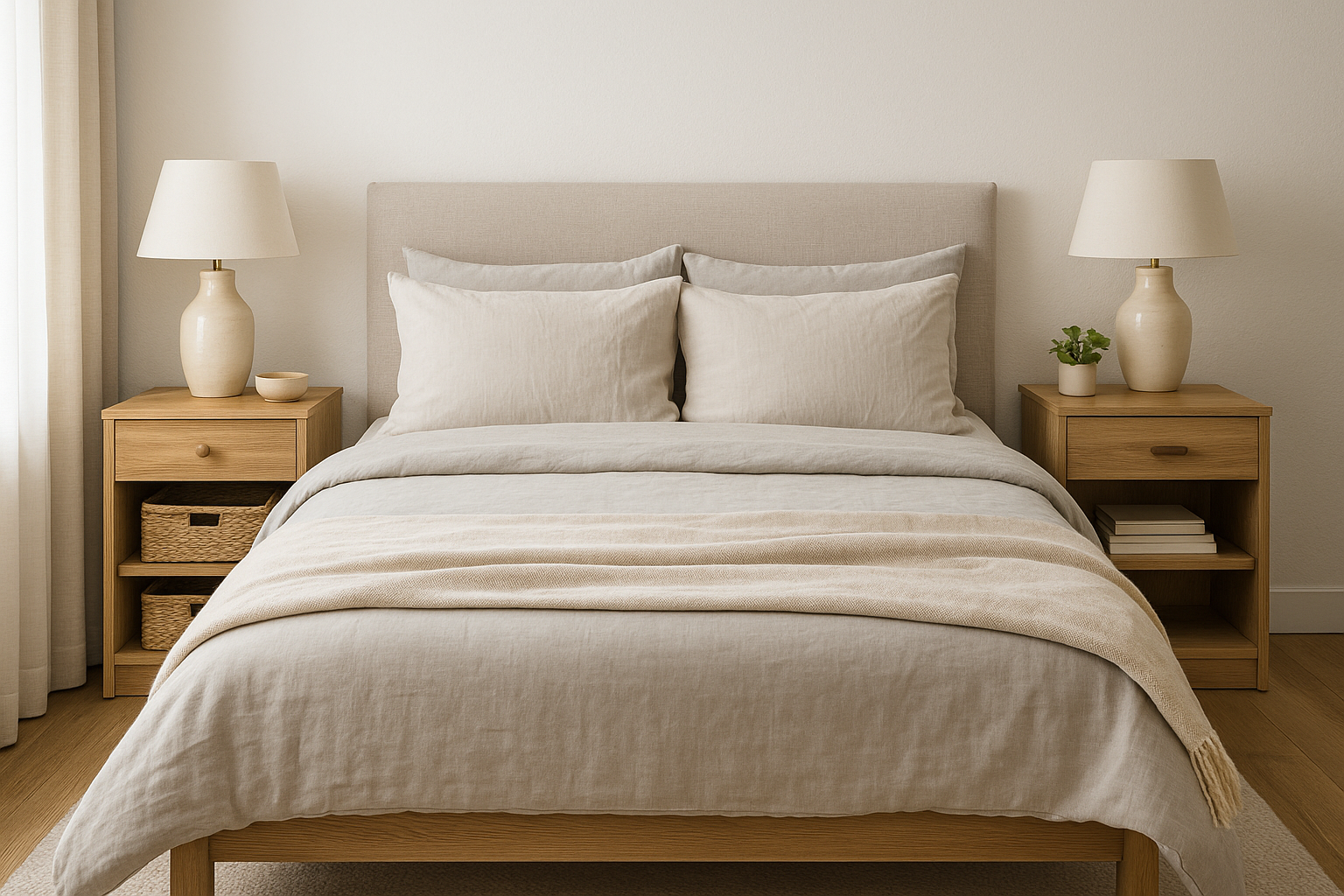
Small bedrooms are a common challenge for both homeowners and renters who want to create a cozy, functional haven without feeling cramped or cluttered. The good news is that with thoughtful planning and practical storage solutions, you can transform your small bedroom into an organized, stylish space that works for your lifestyle. This guide will walk you through the best next steps, tradeoffs to consider, and when it’s wise to call in a professional.
Why Smart Storage Solutions Matter in Small Bedrooms
When space is limited, clutter can quickly take over, making a room feel smaller and less relaxing. Small bedroom storage solutions are more than just a convenience—they are essential for maintaining a peaceful, efficient environment. Proper storage helps you:
- Maximize every inch of available space without overcrowding.
- Keep the room tidy and visually appealing, improving mental well-being.
- Create multi-functional areas that adapt to your needs, such as a workspace or dressing area.
- Protect your belongings from damage and dust by storing them properly.
Without smart storage, small bedrooms can feel chaotic and uncomfortable. The right approaches not only improve functionality but also enhance the overall aesthetic of your room.
What to Check First Before Adding Storage
Before buying storage units or installing shelves, start by assessing your current space and needs. This initial evaluation ensures your solutions fit your lifestyle and room layout.
Measure Your Room and Identify Usable Space
Take precise measurements of your bedroom’s dimensions, including wall lengths, ceiling height, and floor-to-window distances. Don’t forget to account for door swings and furniture footprints. This helps you avoid purchasing storage that won’t fit or blocks essential pathways.
Look for underused spaces such as:
- Under the bed
- Above doorways or windows
- Corners that can accommodate vertical storage
- Inside closets or wardrobes
Analyze Your Storage Needs
Make a list of the items you need to store—clothing, shoes, bedding, books, accessories, or personal items—and estimate their volume. This helps you choose storage options tailored to your possessions rather than guessing.
Consider the frequency of use for each category. Items you use daily should be easily accessible, while seasonal or rarely used items can be stored in less accessible spots.
Check Structural and Rental Restrictions
If you rent, check your lease agreement for restrictions on drilling holes or making permanent modifications. For homeowners, examine the walls for studs before installing heavy shelves and confirm the ceiling height to ensure vertical storage won’t feel oppressive.
Best Small Bedroom Storage Solutions and How to Implement Them
Here are eight practical, proven strategies to optimize storage in small bedrooms, complete with tradeoffs and safety tips.
1. Utilize Under-Bed Storage
Under-bed space is often wasted but can be a goldmine for storage. Use low-profile storage bins or drawers on wheels to store off-season clothing, shoes, or extra bedding.
Tradeoffs: Ensure the bins have smooth edges to avoid damaging the bed frame or flooring. Avoid overloading to maintain easy maneuverability.
Safety tip: Leave at least 4-6 inches of clearance under the bed to allow airflow and prevent moisture buildup.
2. Invest in a Bed with Built-In Storage
Beds with built-in drawers or lift-up storage compartments maximize space by combining furniture and storage.
Tradeoffs: These beds can be more expensive upfront and heavier to move. Check the weight limits of drawers and mechanisms.
Safety tip: Confirm that drawer slides and hinges are sturdy and smoothly operating to avoid finger pinching or collapse.
3. Use Vertical Wall Space with Shelving
Installing shelves above desks, dressers, or beds makes use of vertical space. Floating shelves or wall-mounted cubbies keep the floor free.
Tradeoffs: Avoid overcrowding shelves as it can look cluttered. Use wall anchors rated for the weight of your items to prevent accidents.
Safety tip: Use appropriate anchors for drywall or plaster walls, and avoid overloading shelves beyond the recommended limits (usually 20-50 lbs per anchor).
4. Choose Multi-Functional Furniture
Opt for furniture pieces that serve dual purposes, like an ottoman with storage inside or a nightstand with drawers.
Tradeoffs: Multi-functional furniture can sometimes sacrifice comfort or style for utility. Test pieces before buying.
Safety tip: Ensure moving parts are safe for children if applicable.
5. Organize Closets with Modular Systems
Closet organizers with adjustable shelves, hanging rods, and drawers can dramatically increase usable space.
Tradeoffs: Modular systems require planning and sometimes professional installation. They may be less flexible if you move frequently.
Safety tip: Secure tall units to the wall to prevent tipping.
6. Use Door and Window Space Wisely
Over-the-door hooks or organizers can hold shoes, accessories, or bags. Narrow shelves or hooks near windows can hold plants or décor without taking floor space.
Tradeoffs: Avoid blocking natural light or airflow.
Safety tip: Use lightweight items on door organizers to prevent door damage.
7. Employ Storage Baskets and Decorative Boxes
Baskets and boxes help corral smaller items and add texture to the room’s design.
Tradeoffs: Choose sizes that fit your shelves or under-bed spaces precisely to avoid wasted space.
Safety tip: Avoid stacking heavy boxes high to prevent falls.
8. Declutter Regularly
The most effective storage solution is to keep only what you need. Regularly reassess your belongings and donate or recycle items you no longer use.
Tradeoffs: Decluttering requires time and discipline but pays off in increased space and simplicity.
Common Mistakes to Avoid with Small Bedroom Storage
Even with the best intentions, some pitfalls can reduce the effectiveness of your storage efforts or create hazards.
Overloading Walls or Shelves
Ignoring weight limits on wall anchors can cause shelves to fall, risking injury and damage. Always check packaging for weight ratings and use multiple anchors for heavier loads.
Blocking Airflow and Light
Stuffing storage into windowsills or blocking vents reduces natural light and air circulation, making the room feel stuffy and smaller.
Choosing Furniture That’s Too Large
Oversized beds or bulky dressers consume valuable floor space, limiting walking room and storage options. Opt for scaled-down pieces suitable for your room size.
Ignoring Rental Restrictions
Drilling holes or installing permanent fixtures without landlord approval can lead to fines or loss of security deposits. Use damage-free hanging solutions like adhesive hooks or tension rods when possible.
Forgetting Safety Around Children
Sharp corners on storage furniture or unstable stacks of boxes can be dangerous. Use corner guards and secure tall units to walls to child-proof your room.
When to Call a Professional for Small Bedroom Storage Projects
While many storage upgrades are DIY-friendly, certain situations warrant professional help:
- Electrical work: Installing lighting inside closets or under shelves should be done by a licensed electrician to ensure safety and code compliance.
- Heavy wall shelving: For shelves expected to hold heavy items (books, equipment), a contractor or handyman can ensure proper stud placement and secure mounting.
- Custom closet systems: Professional installers can maximize space with custom cabinetry and ensure durability.
- Structural modifications: If you plan to remove or alter walls or install built-in furniture, consult a contractor to avoid damaging load-bearing structures.
Hiring pros can save time, ensure safety, and sometimes add value to your home by creating high-quality, tailored storage solutions.
FAQ: Small Bedroom Storage Solutions
Q1: What’s the best way to store shoes in a small bedroom?
A1: Use vertical shoe racks, over-the-door organizers, or clear under-bed shoe boxes. Avoid piling shoes on the floor to keep the room tidy.
Q2: How can I keep my small bedroom from feeling cluttered with storage units?
A2: Choose storage that blends with your décor (such as matching colors or materials) and keep surfaces clear. Use hidden storage options like beds with drawers or storage ottomans.
Q3: Can I install shelves in a rental without damaging walls?
A3: Yes, use removable adhesive hooks or tension rods for lightweight storage. For heavier items, get landlord permission before drilling.
Q4: How much weight can typical wall anchors support?
A4: Plastic anchors generally hold 10-20 lbs, metal toggle bolts can support 50 lbs or more. Always check packaging and use multiple anchors for heavier loads.
Q5: What’s an easy way to declutter a small bedroom?
A5: Use the “four-box method”: one box for keep, donate, recycle, and trash. Sort items quickly and avoid keeping things out of guilt or “just in case.”
Quick Reference Checklist: Small Bedroom Storage Solutions
| Storage Solution | Benefits | Tradeoffs / Considerations | Safety Tips |
|---|---|---|---|
| Under-bed bins/drawers | Utilizes unused space | Must have clearance, avoid moisture | Leave 4–6” clearance for airflow |
| Bed with built-in storage | Combines furniture and storage | Higher cost, heavier furniture | Check drawer mechanisms |
| Wall shelves | Frees floor space | Weight limits, avoid clutter | Use proper anchors, don’t overload |
| Multi-functional furniture | Dual purpose saves space | May sacrifice comfort or style | Ensure moving parts are safe |
| Modular closet organizers | Customizable, maximizes closet space | May require installation | Anchor tall units to walls |
| Door/window organizers | Uses overlooked space | Avoid blocking light or airflow | Use lightweight items |
| Baskets and decorative boxes | Stylish, organizes small items | Size must fit storage spaces | Avoid stacking heavy boxes |
| Regular decluttering | Reduces overall storage need | Requires time and discipline | N/A |