Practical Kitchen Backsplash Ideas on a Budget: A Homeowner’s Guide to Stylish, Affordable Updates
A practical guide for homeowners and renters looking for practical decorating ideas on kitchen backsplash ideas on a budget, covering the best next steps, tradeoffs, and when to call a pro.
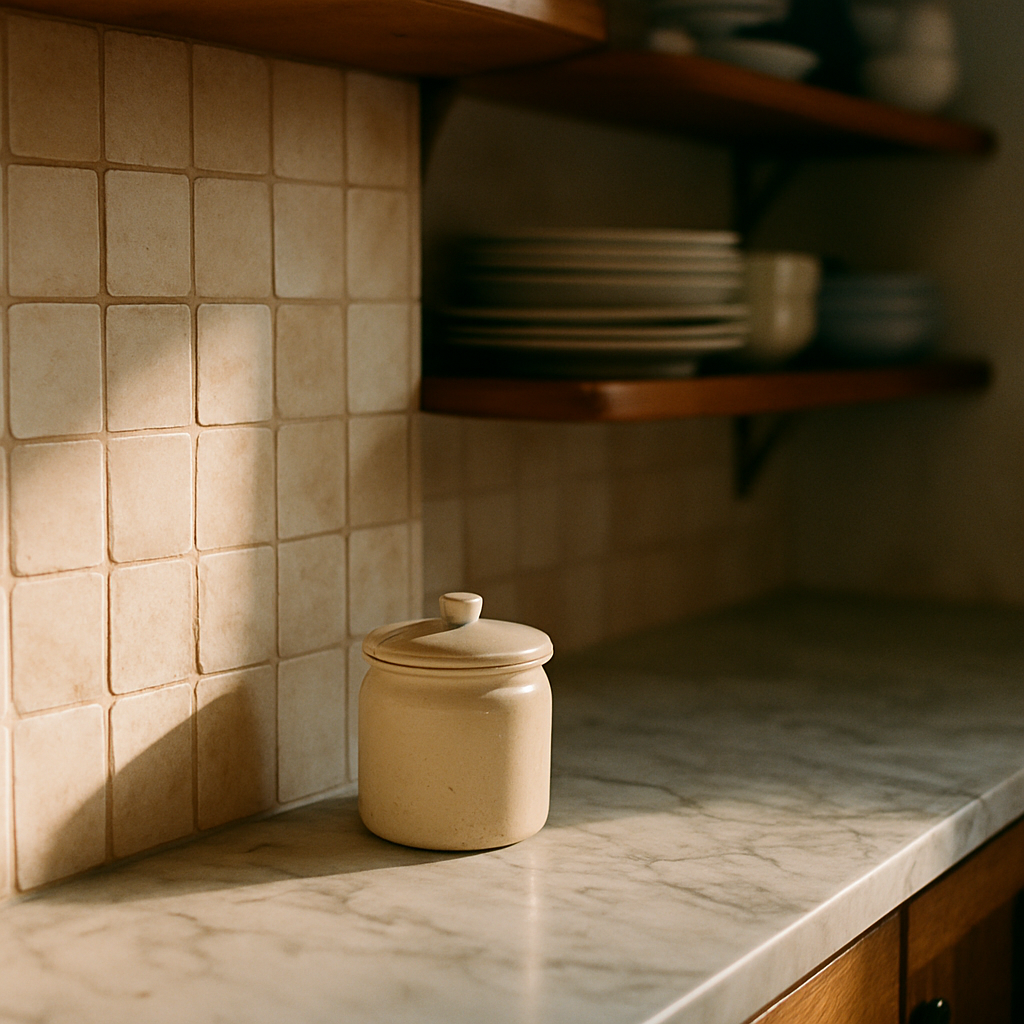
Updating your kitchen backsplash can dramatically improve the look and feel of your cooking space without the need for a full renovation. However, the cost of materials and labor can quickly add up, leaving many homeowners and renters wondering how to achieve a fresh, stylish backsplash without breaking the bank. This guide offers practical kitchen backsplash ideas on a budget, helping you navigate your options, avoid common pitfalls, and know when it’s best to call in a professional.
Why Affordable Kitchen Backsplash Ideas Matter
A backsplash is more than just a decorative element; it protects your walls from water, grease, and food splatters and can help define your kitchen’s style. However, traditional backsplash installations such as ceramic tile or natural stone often require expensive materials and professional labor. This can deter homeowners or renters who want a quick, budget-friendly update.
Fortunately, there are many affordable and stylish alternatives that don’t compromise on durability or aesthetics. Understanding your options allows you to make smart choices that fit your budget and lifestyle. Whether you’re renting and need a removable solution or a homeowner ready for a DIY project, this guide will help you find practical backsplash ideas that look great and stand up to kitchen wear and tear.
What to Check First Before Starting Your Backsplash Project
Before diving into any backsplash project, some initial assessments and planning steps will save you time, money, and frustration.
Assess Your Kitchen Walls and Existing Backsplash
Start by examining the condition of your current backsplash or wall area. Is there existing tile that needs removal? Are the walls smooth and clean, or do they have damage or uneven surfaces? Removing old tile can add labor and disposal costs, so factor this in early.
If you’re renting, check your lease agreement for rules about wall modifications. Some landlords require permission before you install permanent backsplashes or may forbid tile installations altogether.
Measure Your Space Accurately
Measure the width and height of the backsplash area carefully. This helps you estimate how much material you’ll need and prevents costly overbuying or underbuying. Remember to subtract areas like windows or outlets that won’t be covered.
Consider Your Lifestyle and Use
If you cook frequently or have kids, durability and ease of cleaning become priorities. Some budget materials may look good but may not stand up well to grease splatters or moisture. Conversely, if you rarely cook or want a purely decorative upgrade, you can explore more delicate options.
Plan Your Budget Realistically
Set a clear budget that includes materials, tools, and any professional help you might need. Budgeting upfront helps you select options that are affordable without sacrificing quality or safety.
Best Kitchen Backsplash Ideas on a Budget: Practical Options and Tradeoffs
Here are some of the most cost-effective backsplash ideas, from DIY-friendly to semi-permanent solutions, each with pros and cons to help you decide what fits your needs.
1. Peel-and-Stick Backsplash Tiles
Overview: Peel-and-stick tiles are adhesive-backed tiles made from vinyl, faux ceramic, or metal-look materials. They’re designed for easy application and removal, making them ideal for renters or quick updates.
Pros:
- Affordable and widely available.
- Easy to install without grout or special tools.
- Removable without damaging walls (mostly).
Cons:
- Less durable than real tile; may peel in high-moisture areas.
- Can look less authentic up close.
- Adhesive may not stick well on textured or uneven walls.
Tradeoffs: Peel-and-stick tiles are perfect for renters or budget-conscious homeowners who want a quick style refresh. For cooking-heavy kitchens, expect to replace them more frequently.
2. Painted Backsplash with Stencils or Patterns
Overview: Using high-quality, washable paint and stencils, you can create a custom backsplash pattern directly on your wall.
Pros:
- Extremely budget-friendly.
- Fully customizable design.
- Easy to update or change later.
Cons:
- Requires careful surface prep for durability.
- Less impact-resistant than tile or metal.
- Needs repainting over time.
Tradeoffs: This option suits those who enjoy DIY and want a creative outlet. It’s important to use semi-gloss or satin finishes for easier cleaning and to apply a clear protective coat to resist stains.
3. Laminate Sheets or Countertop Remnants
Overview: Laminate sheets, often used for countertops, can double as backsplash material. They come in various patterns, including faux stone or wood.
Pros:
- Durable and water-resistant.
- Smooth surface that's easy to clean.
- Affordable compared to natural stone or tile.
Cons:
- Requires precise cutting and adhesive application.
- Edges can chip if not finished properly.
- Installation can be tricky for beginners.
Tradeoffs: Ideal for homeowners comfortable with some DIY work and tool use. Professional cutting and installation can cost more but improve durability.
4. Beadboard or Shiplap Panels
Overview: Painted beadboard or shiplap panels add texture and charm to a kitchen backsplash.
Pros:
- Affordable wood or MDF panels.
- Adds farmhouse or cottage style.
- Can be painted to match any decor.
Cons:
- Wood is susceptible to moisture damage if not sealed.
- Requires sealing and regular maintenance.
- Installation involves nails and caulk.
Tradeoffs: Best for kitchens with good ventilation and homeowners willing to do minor upkeep. Use water-resistant paint and sealants to prolong life.
5. Reclaimed Wood or Pallet Wood Accent
Overview: Repurposed wood adds warmth and rustic appeal for a unique backsplash.
Pros:
- Very budget-friendly if wood is sourced free or cheap.
- Eco-friendly and distinctive.
- Easy to cut and install with basic tools.
Cons:
- Wood needs to be sealed against moisture and grease.
- Can be harder to clean than tile.
- Fire risk if installed too close to stovetops without proper treatment.
Tradeoffs: Suitable for low-heat areas or behind sinks rather than directly behind burners. Proper sealing and fire-retardant treatment are essential for safety.
6. Removable Wallpaper or Vinyl Decals
Overview: Decorative wallpaper or vinyl decals designed for kitchens can create a backsplash effect that’s easy to change.
Pros:
- Very inexpensive and easy to install.
- Wide variety of patterns and textures.
- Removable without damage in most cases.
Cons:
- Not as durable or water-resistant as tile or laminate.
- Needs to be replaced more frequently.
- Can peel in high-moisture or heat areas.
Tradeoffs: Great for renters or those who want seasonal or trend-based changes. Avoid placing behind stovetops or where splashes are frequent unless a clear protective layer is applied.
Common Mistakes to Avoid When Installing a Budget Backsplash
Even with affordable materials, certain mistakes can lead to costly repairs or poor results.
Skipping Surface Preparation
Failing to clean, sand, or prime your walls can cause adhesives or paint to fail prematurely. Always ensure walls are dry, smooth, and free of grease or dust before starting.
Overlooking Safety with Electrical Outlets and Switches
Backsplashes often require cutting around outlets. Always turn off power before working near electrical fixtures and use proper tools to avoid damaging wiring or creating fire hazards.
Ignoring Weight Limits and Wall Anchors
If you plan to hang heavy tiles or panels, use appropriate wall anchors designed for your wall type. Drywall anchors typically support 10–25 pounds; heavier materials may need studs or masonry anchors.
Choosing Materials Unsuitable for Kitchen Conditions
Avoid porous materials that stain easily or wood that isn’t sealed. Also, beware of placing flammable materials near heat sources.
Underestimating Time and Skill Required
Some projects, like cutting laminate or tile, require tools and patience. Rushing can lead to mistakes that increase costs.
When to Call a Professional for Your Kitchen Backsplash
While many backsplash ideas are DIY-friendly, certain situations warrant professional help:
- Electrical Work: If your backsplash installation involves moving or adding outlets, always hire a licensed electrician.
- Tile Installation: Large-format ceramic, glass, or stone tile installation often requires skill to ensure even spacing, proper grouting, and waterproofing.
- Wall Damage Repair: If your walls have significant damage or mold, a contractor can properly prepare surfaces.
- Complex Custom Work: Intricate patterns, mosaics, or stonework usually require experienced installers to avoid costly errors.
- Gas Stove Proximity: For backsplashes near gas stoves, professionals can help ensure materials meet fire safety codes.
Hiring a pro might increase upfront costs but can save money and stress in the long run by avoiding mistakes and ensuring safety.
FAQ: Kitchen Backsplash Ideas on a Budget
Q: Can I install a backsplash myself if I’m a renter?
A: Yes, but choose removable options like peel-and-stick tiles or vinyl decals to avoid damaging walls and to comply with lease agreements.
Q: How much should I budget for a DIY backsplash project?
A: Materials for budget-friendly options typically range from $50 to $300 depending on size and type. Factor in tools and potential professional help if needed.
Q: Are peel-and-stick tiles durable enough for a busy kitchen?
A: They work well for light to moderate use but may peel or discolor near high heat or moisture over time.
Q: What’s the safest way to install a backsplash near electrical outlets?
A: Turn off power at the breaker, use insulated tools, and consider hiring an electrician if you need to move or add outlets.
Q: How do I maintain a painted backsplash?
A: Use semi-gloss paint and apply a clear, washable sealant. Clean gently with non-abrasive cleaners to avoid damaging the finish.
Quick Reference: Budget Backsplash Options at a Glance
| Backsplash Type | Approximate Cost* | Durability | DIY Difficulty | Removability | Best For |
|---|---|---|---|---|---|
| Peel-and-Stick Tiles | $1–$5 per sq.ft. | Moderate | Easy | Yes | Renters, quick updates |
| Painted Stenciled Backsplash | $20–$50 (paint) | Low to Moderate | Moderate | Yes | Creative DIYers |
| Laminate Sheets | $15–$40 per sq.ft. | High | Moderate | No | Durable, modern kitchens |
| Beadboard/Shiplap Panels | $10–$20 per sq.ft. | Moderate | Moderate | No | Cottage/farmhouse style |
| Reclaimed Wood | Free–$10 per sq.ft. | Moderate | Moderate | No | Rustic, eco-friendly designs |
| Removable Wallpaper/Decals | $10–$25 per roll | Low | Easy | Yes | Renters, seasonal changes |
*Costs vary by region and supplier.