How to Choose the Best Blackout Curtains for Your Bedroom: A Practical Guide
A practical guide for homeowners and renters looking for practical decorating ideas on best blackout curtains for bedroom, covering the best next steps, tradeoffs, and when to call a pro.
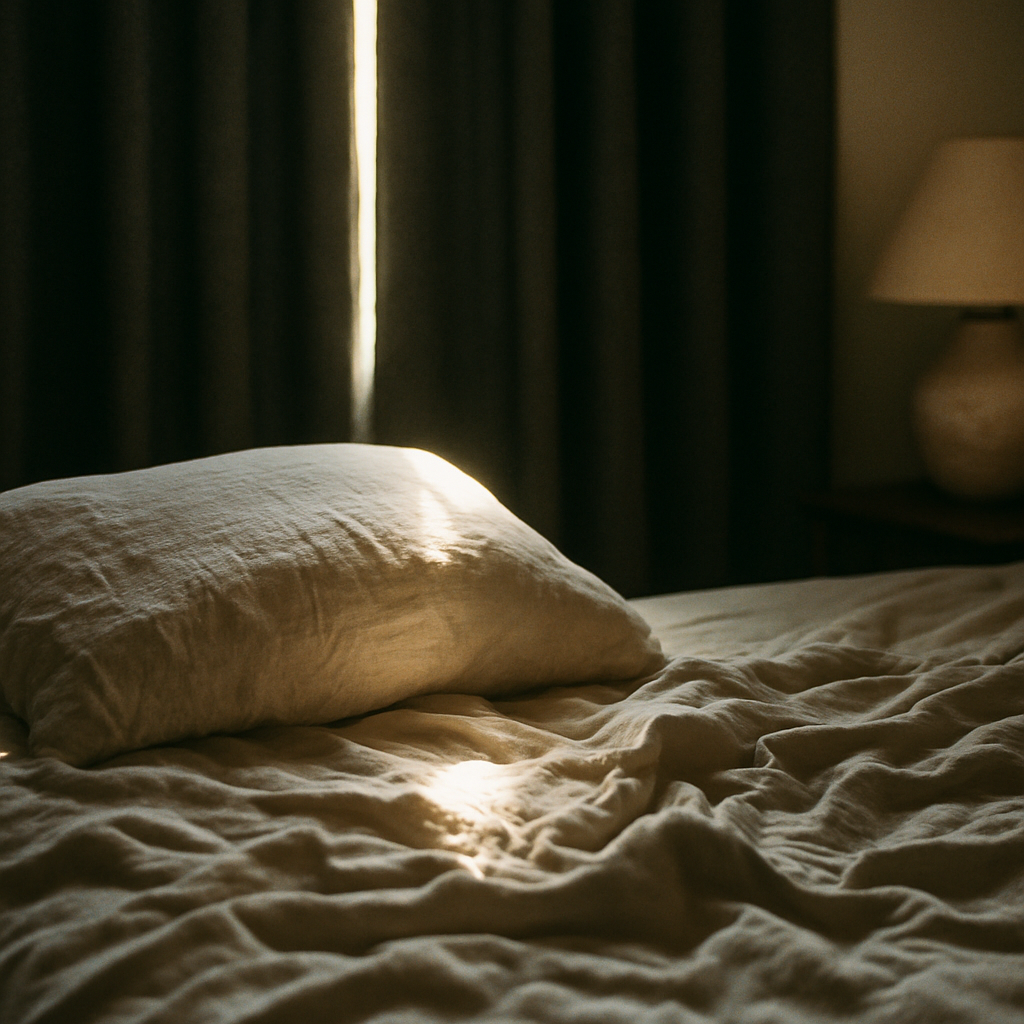
Creating a restful, darkened bedroom environment is essential for quality sleep, especially for those who work night shifts, live in bright urban areas, or simply prefer a pitch-black room. Blackout curtains are a popular and effective solution to block out sunlight, streetlights, and other sources of ambient light. However, not all blackout curtains are created equal, and selecting the best blackout curtains for your bedroom involves more than just picking the darkest fabric.
This practical guide will walk you through everything homeowners and renters need to know about choosing, installing, and maintaining blackout curtains. From initial planning steps to avoiding common pitfalls, plus when it’s best to call in a professional, you’ll be equipped to make a smart, safe, and stylish choice that enhances your bedroom’s comfort and decor.
Why Blackout Curtains Matter for Your Bedroom
Blackout curtains do more than just darken a room. Their benefits span health, comfort, and energy efficiency:
- Improved Sleep Quality: Exposure to even small amounts of light during sleep can disrupt your circadian rhythm, leading to poorer sleep quality and daytime fatigue. Blackout curtains create an ideal dark environment that promotes deeper, more restful sleep.
- Temperature Regulation: Many blackout curtains have insulating properties that help keep your bedroom cooler in summer and warmer in winter, potentially reducing heating and cooling costs.
- Privacy and Noise Reduction: Thick blackout fabrics also improve privacy and can muffle outside noise, creating a quieter, more secure bedroom atmosphere.
- Protecting Furniture and Flooring: By blocking intense sunlight, blackout curtains help prevent fading and damage to carpets, upholstery, and wooden floors.
Understanding these benefits clarifies why investing in the best blackout curtains for your bedroom is worth the effort and expense.
What to Check First Before Buying Blackout Curtains
Before shopping, consider these important factors to ensure your curtains meet your specific needs:
1. Window Dimensions and Mounting Style
Measure your window carefully—width, height, and depth of the window frame—as this will determine the size and type of curtain you need. Decide whether you want your curtains to mount inside the window frame (inside mount) for a neat, built-in look, or outside the frame (outside mount) to cover more wall space and block additional light.
2. Light Leakage Points
Blackout curtains reduce light but don’t always block it entirely. Light often seeps in around the edges and the curtain rod. Assess your bedroom’s lighting conditions and consider additional solutions like blackout blinds, window seals, or curtain liners if you need near-total darkness.
3. Fabric and Material
Not all blackout curtains are made with the same fabric or technology. Some use triple-weave polyester, others a foam backing or multiple layers. Check product specifications for light-blocking percentage (ideally 99% or higher) and fabric weight. Heavier fabrics generally block more light and insulate better but may require sturdier hardware.
4. Style and Color
While black is the classic choice for blackout curtains, many products come in a wide range of colors and patterns. Choosing a color that complements your bedroom décor is important to maintain aesthetic appeal. Keep in mind darker colors often block more light, but some lighter colors use innovative linings to achieve blackout effects.
5. Rod and Hardware Compatibility
Ensure your existing curtain rods can support the weight of blackout curtains, which tend to be heavier than regular drapes. If not, you may need to upgrade your hardware to metal rods or brackets rated for heavier loads.
Best Blackout Curtain Options and Installation Steps
Here are some of the best blackout curtain types and practical tips for installation:
1. Triple-Weave Polyester Curtains
These are among the most common and affordable blackout curtains. The triple-weave fabric technology involves three layers woven together to block light and provide insulation. They are durable, easy to clean, and come in many styles.
Tradeoff: While effective at blocking light, they may not be as heavy or insulating as curtains with foam backing.
2. Foam-Backed Curtains
These feature a foam layer adhered to the back of the fabric, enhancing blackout capability and thermal insulation. Foam-backed curtains are excellent for extreme light blocking and temperature control.
Tradeoff: They tend to be heavier and less breathable, which can affect air circulation and cleaning.
3. Layered Curtain Systems
For maximum blackout and style flexibility, consider layering sheer curtains with blackout panels on a double rod. This allows you to enjoy natural light during the day and total darkness at night.
Tradeoff: More complex installation and higher cost.
4. Magnetic or Velcro Light-Blocking Strips
To combat light leakage around curtain edges, attach magnetic or Velcro strips to the wall and curtain edges. This creates a seal that blocks light without damaging walls.
Tradeoff: Requires precise measurement and installation; may not be feasible in all rental situations.
Installation Tips
- Use a sturdy curtain rod rated for the weight of your curtains.
- Mount the rod wider than the window frame to allow curtains to fully cover the window and stack back without blocking light when open.
- Use curtain rings or hooks to allow easy movement and reduce fabric wear.
- If installing inside the frame, ensure curtains are wide and tall enough to cover the entire window area.
Common Mistakes to Avoid When Choosing Blackout Curtains
Even with the best intentions, some mistakes can undermine your blackout curtain project:
Mistake 1: Buying Curtains Too Small
Curtains that are too narrow or short won’t block light effectively and can look awkward. Always err on the side of larger dimensions to ensure full coverage.
Mistake 2: Ignoring Light Leakage
Many buyers assume blackout curtains alone will create total darkness. Without addressing gaps around the edges, light can still enter. Consider using curtain liners, side panels, or additional sealing methods.
Mistake 3: Overlooking Weight and Hardware Compatibility
Heavy blackout curtains require robust rods and brackets. Using inadequate hardware risks curtain falls or damage to walls.
Mistake 4: Neglecting Fabric Care and Cleaning
Blackout fabrics can require special care. Some are machine washable, others need dry cleaning. Check care instructions to avoid ruining your investment.
Mistake 5: Choosing Style Over Function
While style matters, prioritize light-blocking performance and insulation over trendy patterns or colors that may not provide adequate blackout.
When to Call a Professional for Blackout Curtain Installation
While many homeowners and renters can install blackout curtains themselves, certain situations warrant professional help:
- Heavy or Oversized Curtains: If your curtains are extremely heavy or large, a professional can ensure secure mounting and prevent damage to walls or ceiling.
- Unusual Window Shapes or Sizes: Bay windows, floor-to-ceiling windows, or custom shapes may require custom curtain rods and professional measurement.
- Electrical or Structural Modifications: If installation requires drilling into load-bearing walls or near electrical wiring, a licensed contractor or electrician should be consulted.
- Rental Restrictions: In some rentals, landlords may require professional installation to avoid damage or may have specific guidelines.
- Complex Layering Systems: Double rods, motorized curtains, or integrated blinds may be best installed by experts.
FAQ: Blackout Curtains for Bedroom
Q1: Can blackout curtains completely block out all light?
A: Most quality blackout curtains block 99% of light, but some light may still seep around edges. For total darkness, additional measures like blackout blinds or sealing strips are recommended.
Q2: Are blackout curtains good for insulation?
A: Yes, many blackout curtains provide thermal insulation, helping reduce heat loss in winter and heat gain in summer, which can save on energy bills.
Q3: Can blackout curtains damage walls or window frames?
A: If installed properly using appropriate hardware, blackout curtains should not damage walls. Avoid nails or screws that could cause damage, especially in rentals. Use adhesive hooks or tension rods if drilling is not allowed.
Q4: How do I clean blackout curtains?
A: Check the manufacturer’s instructions. Many blackout curtains are machine washable on gentle cycles, but foam-backed curtains may require dry cleaning to preserve their properties.
Q5: Are blackout curtains safe for children’s bedrooms?
A: Yes, but ensure curtain rods and hardware are securely mounted to prevent accidents. Consider cordless or child-safe curtain options to avoid entanglement hazards.
Quick Reference Checklist for Choosing the Best Blackout Curtains for Bedroom
| Step | Key Points | Notes |
|---|---|---|
| Measure Window | Width, height, depth; inside or outside mount | Add extra width for full coverage |
| Assess Light Leakage | Identify gaps around window edges | Consider sealing strips or liners |
| Choose Fabric Type | Triple-weave, foam-backed, layered curtains | Balance blackout, insulation, and weight |
| Select Style & Color | Match room décor; darker colors block more light | Use linings for lighter colors |
| Check Hardware Compatibility | Rod strength and bracket type | Upgrade if curtains are heavy |
| Plan Installation | Mount rod wider and higher than window frame | Use rings or hooks for smooth operation |
| Maintenance | Follow fabric care instructions | Avoid damage with proper cleaning methods |
| Know When to Hire a Pro | Heavy curtains, unusual windows, structural work | Avoid damage and ensure safety |