How to Choose and Use the Best Kitchen Counter Organizers for a Stylish, Functional Space
A practical guide for homeowners and renters looking for practical decorating ideas on best kitchen counter organizers, covering the best next steps, tradeoffs, and when to call a pro.
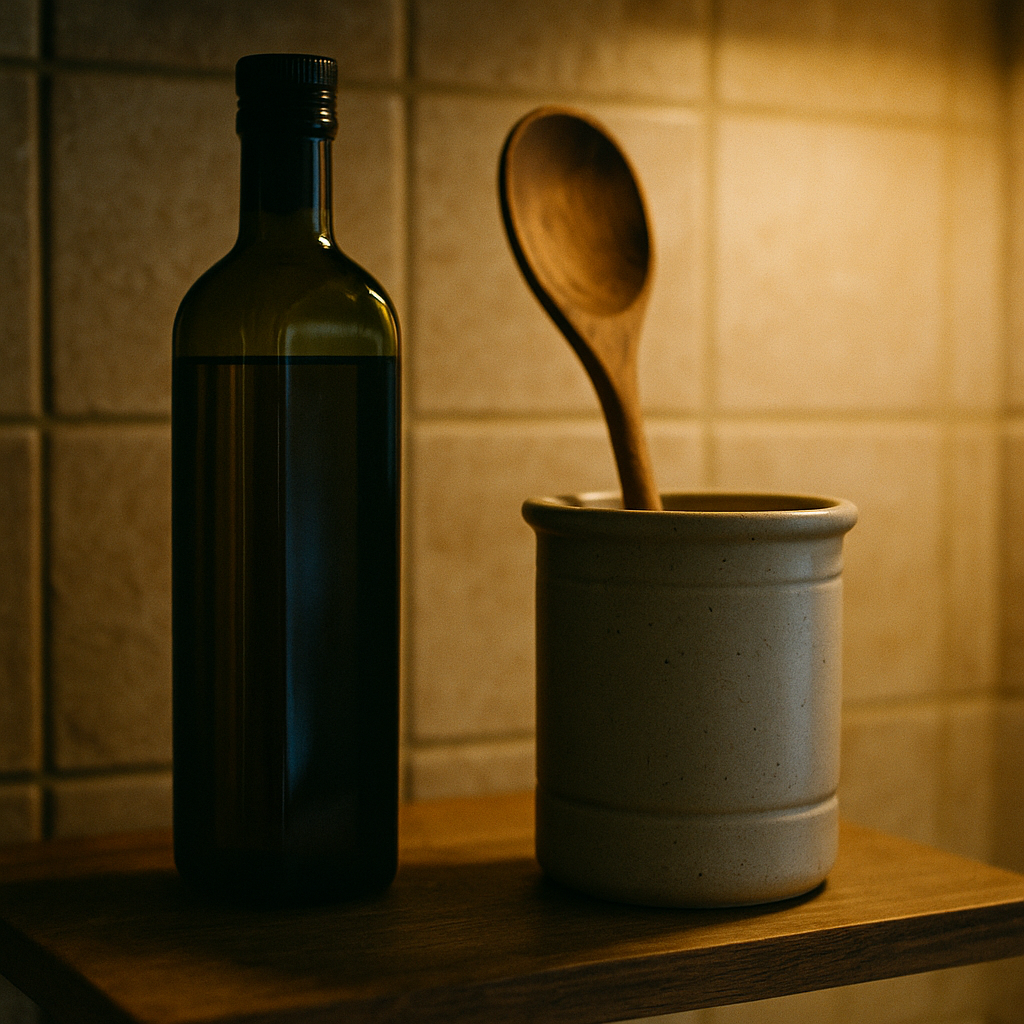
A cluttered kitchen counter can quickly turn cooking and meal prep into a stressful chore. Whether you live in a spacious home or a cozy apartment, having the best kitchen counter organizers can transform your daily routine by keeping essential items accessible yet neatly contained. But with so many styles, materials, and sizes on the market, how do you pick the right organizers that suit your space, lifestyle, and safety needs?
This practical guide will walk you through everything you need to know—from initial assessments and top organizing solutions to common pitfalls and when it’s time to call in a professional. Whether you’re a homeowner or renter, you’ll learn how to create a kitchen counter setup that enhances your decor while making everyday tasks easier and more enjoyable.
Why Investing in the Best Kitchen Counter Organizers Matters
Your kitchen counter is one of the busiest surfaces in your home. It’s where you chop vegetables, brew coffee, and often gather with family or friends. Without proper organization, it can become a chaotic catch-all for mail, gadgets, and random utensils. This clutter not only looks messy but can also reduce your workspace and increase the risk of accidents like spills or dropped knives.
Using the best kitchen counter organizers helps you:
- Maximize usable counter space by grouping items logically and vertically.
- Improve safety by securing sharp tools and heavy appliances.
- Enhance kitchen aesthetics with coordinated, stylish containers and racks.
- Simplify cleaning and maintenance by reducing scattered crumbs and spills.
- Save time by having commonly used items within easy reach.
Ultimately, choosing the right organizers tailored to your kitchen’s layout and your cooking habits makes daily life smoother and more pleasant.
What to Check First Before Buying Kitchen Counter Organizers
Before shopping for any organizer, take a moment to assess your kitchen counter and habits. This step will help you avoid impulse buys that don’t fit or function well.
Measure Your Space Accurately
Use a tape measure to record the length, depth, and height of your available counter area. Don’t forget to note any obstacles like electrical outlets, backsplash tiles, or under-cabinet lighting. Some organizers require clearance for doors or drawers, so factor in how much room you realistically have.
Identify Your Most Used Items
Make a list of the items you want to organize. Common kitchen counter essentials include:
- Coffee makers or kettles
- Utensil holders
- Cutting boards
- Spice racks
- Toasters or blenders
- Fruit bowls
Knowing what you want to keep on the counter versus what can be stored elsewhere will help you choose organizers that fit your lifestyle.
Consider Your Kitchen Style and Material Preferences
Your organizer should complement your kitchen’s decor. Popular materials include bamboo, stainless steel, acrylic, and ceramic. Each has pros and cons in terms of durability, maintenance, and style. For example, bamboo adds warmth and is eco-friendly but may require occasional oiling to prevent drying out.
Check for Safety and Stability
If you have children or pets, prioritize organizers with rounded edges and sturdy bases. Avoid pieces that can easily tip over or have small detachable parts that could be choking hazards. Also, consider organizers with non-slip pads or weighted bottoms for extra stability.
Best Kitchen Counter Organizers and How to Use Them
Here are some of the most effective and versatile kitchen counter organizers, along with their benefits and tradeoffs.
1. Tiered Spice Racks
A tiered spice rack keeps your spices visible and accessible while saving valuable counter space. Look for racks with adjustable tiers or rotating (lazy Susan) designs to accommodate different bottle sizes.
- Tradeoff: Some racks can be bulky; measure your space carefully.
- Tip: Opt for clear glass jars with labels to enhance visibility and style.
2. Utensil Holders and Crocks
A sturdy utensil holder is essential for keeping cooking tools like spatulas, whisks, and wooden spoons within arm’s reach.
- Material: Stainless steel holders are easy to clean and durable. Ceramic crocks add a decorative touch but can chip.
- Safety: Choose holders with weighted bases to prevent tipping.
3. Knife Blocks and Magnetic Strips
Knife blocks are classic organizers that protect blades and keep them handy. Alternatively, magnetic strips mounted on a backsplash free up counter space entirely.
- Safety note: Magnetic strips must be installed securely, ideally by a professional, to prevent knives from falling.
- Tip: Avoid storing knives loosely in drawers to prevent dulling and injury.
4. Appliance Garages and Covers
Appliance garages are countertop cabinets or covers that hide small appliances like toasters or mixers, reducing visual clutter.
- Tradeoff: These organizers take up space, so they’re best for larger kitchens.
- Tip: Choose models with ventilation to prevent overheating appliances.
5. Fruit Bowls and Baskets
A simple fruit bowl or wire basket adds color and encourages healthy snacking while organizing loose produce.
- Material: Wire baskets allow airflow to keep fruit fresh longer. Ceramic bowls are more decorative but may trap moisture.
- Safety: Avoid tall or unstable baskets that could tip.
6. Cutting Board Holders
Vertical cutting board holders keep boards upright and dry, preventing warping and mildew buildup.
- Material: Bamboo or stainless steel holders are durable and easy to clean.
- Tip: Choose a holder with rubber feet to prevent slipping.
7. Multi-tiered Shelving Units
If you have limited counter space, a multi-tiered shelf can add vertical storage for mugs, spices, or small jars.
- Tradeoff: Shelves can crowd the workspace if too large.
- Tip: Opt for open designs to keep items visible and accessible.
8. Tray Organizers
A tray organizer groups frequently used items like oils, vinegars, salt, and pepper on one surface, making it easy to move and clean.
- Material: Wood trays add warmth; acrylic trays are easy to wipe down.
- Safety: Choose trays with raised edges to prevent spills.
Common Mistakes to Avoid When Organizing Your Kitchen Counter
Even with the best intentions, it’s easy to make mistakes that reduce the effectiveness of your kitchen counter organization. Watch out for these pitfalls:
- Overcrowding the Counter: Adding too many organizers can make your space feel cramped and cluttered. Prioritize essential items and store others elsewhere.
- Ignoring Weight Limits: Wall-mounted organizers or shelves have weight limits. Overloading them can cause damage or injury. Always check manufacturer guidelines.
- Choosing Incompatible Materials: Avoid placing wooden organizers near stovetops or sinks where heat or moisture can cause damage.
- Neglecting Cleaning Access: Organizers that trap crumbs or spills underneath can become breeding grounds for bacteria. Select pieces that are easy to move and clean.
- Installing Without Proper Tools or Skills: For example, mounting a magnetic knife strip requires secure anchoring into studs or with strong wall anchors. Improper installation risks accidents.
When to Call a Professional for Kitchen Counter Organization Projects
While many kitchen counter organizers are simple to install or place, some tasks require professional expertise to ensure safety and durability.
- Mounting Heavy or Wall-Attached Organizers: If you want to install shelves, magnetic strips, or appliance garages that attach to walls, a licensed handyman or contractor can ensure the mounting is secure and won’t damage wiring or plumbing behind walls.
- Electrical Work: Adding outlets or under-cabinet lighting to accommodate appliances should always be done by a licensed electrician to avoid fire hazards.
- Custom Built-ins: For bespoke organizers integrated into your counter or cabinetry, professional carpentry ensures precise measurements and finish.
- Heavy Appliance Installation: For built-in coffee machines or large mixers, a pro can help with proper placement, ventilation, and power supply.
Calling a pro is a smart investment when safety or structural integrity is at stake.
FAQ About the Best Kitchen Counter Organizers
Q1: How do I keep my kitchen counter organized without making it look cluttered?
A: Use organizers that maximize vertical space and group similar items together. Limit what stays on the counter to daily essentials and store the rest in cabinets or drawers.
Q2: Are there kitchen counter organizers safe for homes with young children?
A: Yes. Look for organizers with rounded edges, sturdy weighted bases, and no small detachable parts. Keep sharp tools and appliances out of reach or in locked cabinets.
Q3: Can I use adhesive hooks or organizers on my backsplash?
A: Adhesive organizers can work on smooth, clean surfaces but may not hold heavy items. For heavier racks or knife strips, secure mounting with screws and anchors is recommended.
Q4: What materials are easiest to clean for kitchen counter organizers?
A: Stainless steel, acrylic, and glazed ceramic are generally easy to wipe down. Wood and bamboo require more maintenance and should be sealed or oiled regularly.
Q5: How do I prevent my organizers from sliding on the countertop?
A: Choose organizers with non-slip rubber feet or add adhesive non-slip pads underneath. This prevents accidents and protects your countertop surface.
Quick Reference: Choosing the Best Kitchen Counter Organizer Checklist
| Step | Considerations | Notes |
|---|---|---|
| Measure your available space | Length, depth, clearance for doors/drawers | Avoid overcrowding |
| Identify frequently used items | Prioritize essentials for counter placement | Store rarely used items elsewhere |
| Choose material | Durability, ease of cleaning, style compatibility | Bamboo, stainless steel, acrylic, ceramic |
| Assess safety features | Stability, rounded edges, child/pet safety | Weighted bases, non-slip pads |
| Check weight limits | For wall-mounted organizers or shelves | Follow manufacturer guidelines |
| Plan installation method | DIY or professional help needed | Secure mounting prevents accidents |
| Maintenance | Ease of cleaning and upkeep | Removable parts and smooth surfaces preferred |