How to Choose the Best Bedding Sets for Hot Sleepers: A Practical Guide
A practical guide for homeowners and renters looking for practical decorating ideas on best bedding sets for hot sleepers, covering the best next steps, tradeoffs, and when to call a pro.
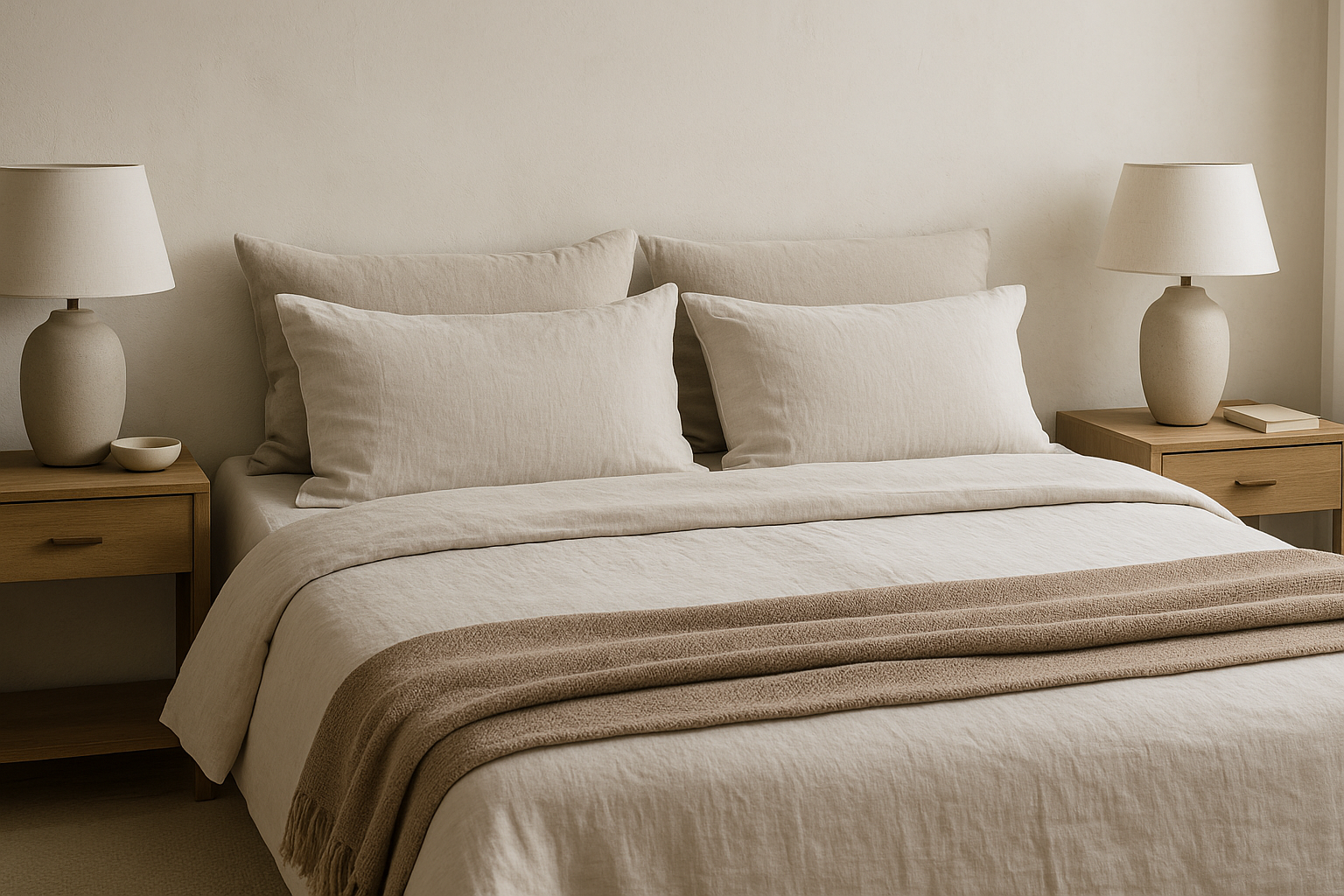
For those who tend to overheat at night, selecting the right bedding can make a significant difference in sleep quality. Hot sleepers often wake up sweaty, uncomfortable, or tossing and turning, which impacts their rest and overall health. Fortunately, the right bedding sets designed specifically for heat dissipation and breathability can help regulate temperature and improve comfort. This guide walks homeowners and renters through the key factors to consider, best materials and designs, common pitfalls, and when to seek professional advice.
Why Choosing the Best Bedding Sets for Hot Sleepers Matters
Sleep is essential to health and well-being, but it’s often disrupted by overheating. When your body temperature rises too much during the night, it triggers sweating and restless sleep cycles. This can lead to waking up feeling groggy, dehydrated, or irritable. Bedding that traps heat or doesn't allow air circulation only makes matters worse.
The good news is that bedding technology and textile options have evolved to address these issues. The best bedding sets for hot sleepers focus on moisture-wicking, breathability, and lightweight construction. Investing in the right set can help maintain a cooler microclimate around your body, reducing night sweats and promoting deeper, more restorative sleep.
Beyond comfort, the right bedding also helps protect your mattress from sweat and moisture buildup, which can lead to odors or mold over time. For anyone living in warmer climates or experiencing hot flashes, these sets are practical upgrades that deliver noticeable benefits.
What to Check First Before Buying Bedding for Hot Sleepers
Before diving into the vast market of bedding, it’s important to assess your unique sleep environment and habits. Here are the top considerations:
1. Understand Your Sleep Temperature and Patterns
Are you consistently overheating, or is it seasonal? Do you sleep with a partner who has different temperature needs? Knowing how often and when you get hot will help determine whether you need all-season bedding or summer-specific options.
2. Room Temperature and Ventilation
If your bedroom tends to be warm or poorly ventilated, your bedding choice alone might not solve overheating. Consider room cooling options like fans, air conditioning, or window treatments alongside your bedding upgrade.
3. Allergies and Skin Sensitivities
Some cooling bedding materials may irritate sensitive skin or trigger allergies. If you have eczema or allergies, look for hypoallergenic fabrics that are also breathable.
4. Budget and Maintenance
Cooling bedding sets can vary widely in price. High-quality natural fibers like linen or bamboo may cost more upfront but last longer and perform better over time. Also, check care instructions—some cooling fabrics require delicate washing or special detergents.
Best Bedding Set Options for Hot Sleepers: Materials, Designs, and Features
Here are the top bedding materials and features that help hot sleepers stay cool, with pros and cons for each.
1. Natural Fibers: Linen, Cotton, and Bamboo
- Linen: Made from flax fibers, linen is highly breathable and moisture-wicking. It has a looser weave that allows air to circulate freely. Linen bedding also tends to soften with each wash and lasts for years. Its natural texture is ideal for hot sleepers but can feel rough initially.
- Cotton (especially Percale weave): Cotton is widely used and affordable. Percale cotton has a crisp, matte finish with a tight weave that’s breathable and cool to the touch. Avoid sateen cotton, which traps heat due to its silky weave.
- Bamboo: Bamboo-derived viscose or rayon is soft, breathable, and naturally moisture-wicking. Bamboo bedding also has antimicrobial properties, helping prevent odors from sweat. It’s a great eco-friendly option but sometimes blends with synthetics, so check labels carefully.
2. Performance Synthetic Fabrics: Tencel and Microfiber
- Tencel: A brand name for lyocell, Tencel is made from sustainably sourced wood pulp. It’s smooth, breathable, and excellent at moisture management. Tencel bedding is often blended with cotton for durability and softness.
- Microfiber: While microfiber sheets are lightweight and affordable, they often trap heat and moisture, making them less ideal for hot sleepers. However, some advanced microfiber blends incorporate cooling technology but tend to be pricier.
3. Weave and Thread Count Matter
- A lower thread count (between 200-400) typically means more breathability. Very high thread counts can trap heat by creating a denser fabric.
- Percale weave offers a crisp, breathable feel, while sateen weave feels silky but traps heat more.
4. Cooling Technology Enhancements
Some bedding brands infuse fabrics with cooling minerals like copper or graphite or use phase-change materials (PCMs) that absorb and release heat to maintain a stable temperature. These can be effective but often come at a premium price.
5. Bedding Set Components
Look for sets that include breathable, lightweight pillowcases and duvet covers. Avoid heavy comforters or quilts filled with down or synthetic fibers that trap heat. Instead, opt for lightweight blankets or a duvet insert labeled as “cool” or “summer weight.”
Common Mistakes to Avoid When Buying Bedding for Hot Sleepers
Mistake 1: Choosing High-Thread-Count Sateen or Flannel
While high-thread-count sateen sheets feel luxurious, their dense weave traps body heat and reduces airflow. Similarly, flannel is warm and cozy but unsuitable for hot sleepers except in cold months.
Mistake 2: Overlooking Pillow Materials
Hot sleepers often neglect pillowcases, but pillows can retain heat. Synthetic or memory foam pillows tend to trap warmth, whereas pillows with cooling gel layers or natural fillings like buckwheat hulls promote airflow.
Mistake 3: Ignoring Care Instructions
Cooling bedding materials like linen or bamboo often require gentle washing and air drying to maintain breathability and softness. Using harsh detergents or high heat can damage fibers, reducing cooling performance.
Mistake 4: Buying Bedding That Doesn’t Fit Your Climate or Sleep Style
Some bedding marketed as “cooling” works best in dry heat but may feel clammy in humid climates. Similarly, if you tend to sleep cold, a lightweight cooling set may leave you chilly.
When to Call a Pro: Knowing Your Limits
While purchasing bedding is generally straightforward, some situations warrant expert advice:
- If you have severe night sweats or hot flashes related to medical conditions, consult a healthcare provider to rule out underlying causes before investing heavily in bedding.
- For custom bedding needs, such as non-standard mattress sizes or specialized cooling systems integrated into beds, a professional custom bedding or mattress specialist can help.
- If you’re considering electrical cooling bedding pads or mattress toppers, installation and safety should be handled by licensed electricians to avoid fire hazards.
- For allergy sufferers, a certified allergist or textile specialist can recommend hypoallergenic, breathable materials tailored to your needs.
FAQ: Quick Answers About Bedding for Hot Sleepers
Q1: Are cooling mattress toppers better than cooling sheets?
A1: Cooling mattress toppers can help regulate temperature by adding a layer of breathable material, but they often work best combined with breathable sheets and pillowcases for overall comfort.
Q2: Can I use a fan instead of special bedding to stay cool?
A2: Fans improve airflow and room temperature but don’t replace the benefits of moisture-wicking, breathable bedding that directly manages heat at the skin level.
Q3: How often should I replace cooling bedding?
A3: High-quality natural fiber bedding can last 3–5 years or more with proper care, but synthetic cooling fabrics may degrade faster. Replace when fabric loses softness or breathability.
Q4: Is bamboo bedding truly eco-friendly?
A4: Bamboo grows quickly and requires less water than cotton, but the chemical process to make bamboo viscose can be intensive. Look for certifications like OEKO-TEX or GOTS for sustainable production.
Q5: Can I use cooling bedding if I have sensitive skin?
A5: Many cooling bedding materials like Tencel and bamboo are hypoallergenic and gentle on skin. Always test a small patch and check for certifications if you have allergies or sensitivities.
Quick Reference Checklist: Choosing the Best Bedding Sets for Hot Sleepers
| Factor | What to Look For | What to Avoid |
|---|---|---|
| Material | Linen, Percale Cotton, Bamboo, Tencel | Sateen Cotton, Flannel, Regular Microfiber |
| Weave & Thread Count | Percale weave, 200-400 thread count | High thread count (>600), dense weave |
| Cooling Technology | PCM-infused, mineral-infused fabrics (optional) | Unproven “cooling” marketing claims |
| Bedding Components | Lightweight duvet covers, breathable pillowcases | Heavy comforters, synthetic pillowcases |
| Care | Gentle washing, air drying | Harsh detergents, high heat drying |
| Fit for Climate | Consider humidity and seasonal temperature | One-size-fits-all solutions |
Final Thoughts
Selecting the best bedding sets for hot sleepers is a smart investment in your sleep quality and health. By focusing on breathable natural fibers, appropriate weave and thread count, and lightweight bedding components, you can create a sleep environment that helps regulate your body temperature all night long. Avoid common pitfalls like high-thread-count sateen or heavy comforters that trap heat. When in doubt about materials or special needs, consult experts to ensure you get the safest, most effective bedding for your situation.
With the right bedding, hot sleepers can finally enjoy restful, sweat-free nights and wake up refreshed.