How to Embrace the Quiet Luxury Home Decor Style: A Practical Guide for Homeowners and Renters
A practical guide for homeowners and renters looking for practical decorating ideas on quiet luxury home decor style, covering the best next steps, tradeoffs, and when to call a pro.
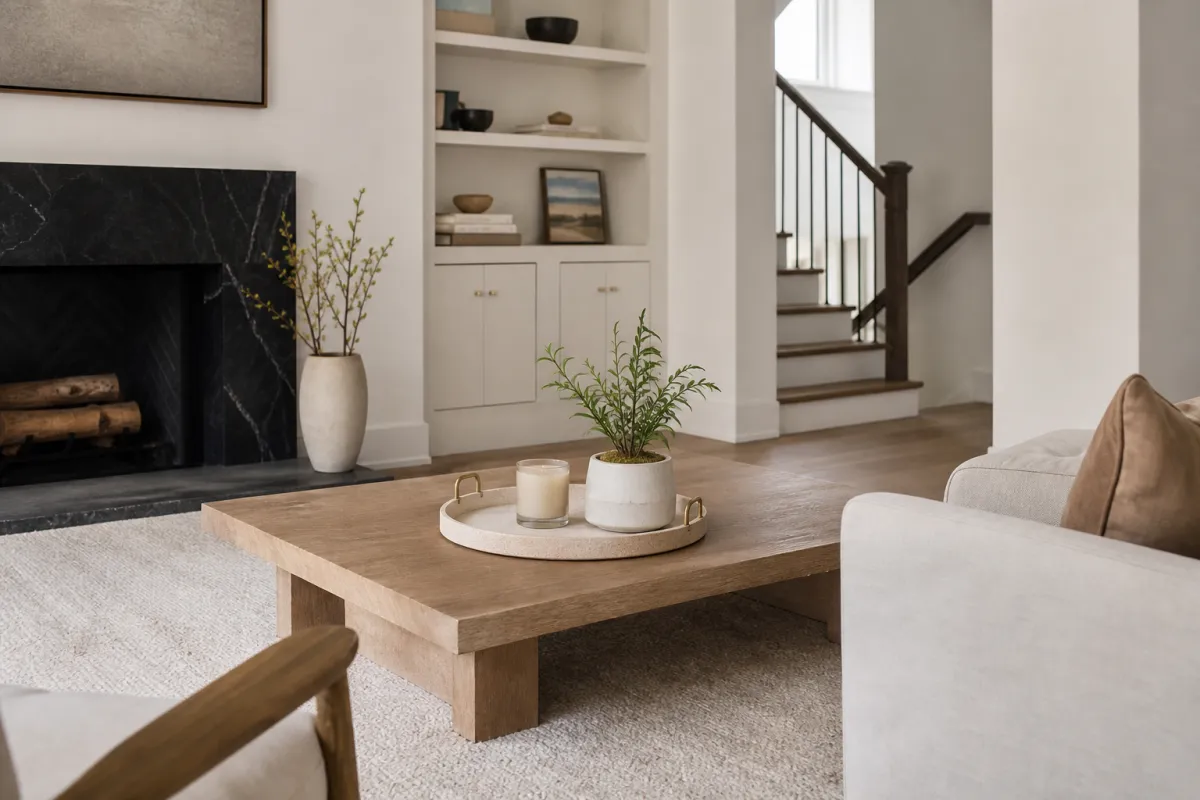
Quiet luxury home decor style has quietly become a sought-after approach for those who want sophistication without ostentation. It’s about subtle elegance, refined materials, and timeless design choices that speak volumes without shouting. For homeowners and renters alike, adopting this style means investing in quality, restraint, and thoughtful details rather than flashy, trend-driven pieces.
This practical guide will walk you through what quiet luxury means in home decor, how to start your own transformation, the best materials and design choices, common pitfalls to avoid, and when to bring in a professional. Whether you’re refreshing a single room or rethinking your entire home, this article offers actionable advice to help you achieve a serene, upscale environment that feels both comfortable and curated.
Why Quiet Luxury Home Decor Style Matters More Than Ever
In a world overwhelmed by fast trends, bold colors, and mass-produced decor, quiet luxury offers a welcome antidote. It’s a style that values longevity over novelty and quality over quantity. Instead of flashy logos or over-the-top accessories, quiet luxury focuses on materials, craftsmanship, and a restrained color palette.
This approach to home decor creates spaces that feel calm, inviting, and effortlessly elegant. For renters, it’s a way to elevate your home without permanent changes or excessive spending. For homeowners, it’s an investment in timeless style that can increase your home’s appeal and comfort.
Quiet luxury is also about mindfulness—selecting pieces that you truly love and that serve a purpose, rather than filling your space with clutter or disposable decor. It encourages you to slow down and appreciate the finer details, from the texture of a linen throw to the subtle sheen of a marble tabletop.
What to Check First Before Starting Your Quiet Luxury Makeover
Before diving into purchases or renovations, take a moment to assess your current space and lifestyle. Here are some key considerations:
- Space and Layout: Quiet luxury thrives on simplicity and balance. Measure your rooms and note the natural light sources. Spaces that feel cramped or cluttered rarely convey luxury, so consider ways to declutter and optimize flow.
- Existing Color Palette: Quiet luxury often favors neutral, muted tones—think warm beiges, soft grays, creamy whites, and deep charcoals. Check your current wall colors, flooring, and large furniture pieces. If these are bold or overly busy, plan to tone them down or complement them with more subdued accents.
- Material Condition: Inspect your furniture, textiles, and finishes for wear and tear. Quiet luxury depends on quality materials in good condition, so damaged or cheap-looking items can undermine the look.
- Budget and Priorities: Quiet luxury doesn’t mean expensive, but it does mean investing wisely. Decide which elements matter most—whether it’s a high-quality sofa, handcrafted lighting, or natural wood flooring—and allocate your budget accordingly.
- Rental Restrictions: If you rent, check your lease for any restrictions on painting walls, installing fixtures, or making modifications. Many quiet luxury touches can be added with temporary or non-damaging solutions.
Best Options and Steps to Achieve Quiet Luxury in Your Home
Here are practical steps to guide your transition into quiet luxury home decor, each with tradeoffs to consider:
1. Choose a Refined, Neutral Color Palette
Start with walls, ceilings, and large surfaces in soft, neutral tones. Shades like taupe, greige, ivory, or muted stone provide a perfect backdrop. These colors create a calming atmosphere and highlight textures and shapes without competing for attention.
Tradeoff: Neutral palettes can feel bland if not layered with texture and contrast. Avoid flat finishes by mixing matte and satin paints or adding subtle wallpaper with a tone-on-tone pattern.
2. Invest in Quality, Timeless Furniture
Select furniture with clean lines and classic silhouettes made from durable materials such as solid wood, leather, or high-grade upholstery. Avoid overly trendy shapes or flashy hardware.
Tradeoff: High-quality pieces can be costly upfront, but they last longer and often appreciate in style. Consider sourcing from reputable secondhand stores or outlets to balance budget and quality.
3. Focus on Texture and Natural Materials
Quiet luxury is tactile. Incorporate natural fibers like linen, wool, cashmere, and silk in your textiles. Use stone, marble, or wood for surfaces and accents. These materials add depth and interest without loud patterns or colors.
Tradeoff: Natural materials often require more care (e.g., linen wrinkles easily, marble needs sealing). Be prepared to maintain these elements properly to preserve their look.
4. Select Understated, High-Quality Lighting
Lighting fixtures should enhance the ambiance without dominating the room. Opt for simple designs in metals like brushed brass, matte black, or antique bronze. Layer lighting with a mix of overhead, task, and accent lights.
Tradeoff: Avoid overly intricate or ornate fixtures that clash with the minimalist ethos. Also, ensure bulbs have a warm color temperature (2700K–3000K) for inviting light.
5. Edit Accessories with a “Less Is More” Mindset
Decorate with carefully curated objects—think a sculptural vase, a leather-bound book, or a small piece of abstract art. Avoid clutter or overly branded items.
Tradeoff: It can be tempting to fill empty surfaces, but restraint is key. Use negative space to let your pieces breathe and create an upscale gallery feel.
6. Incorporate Subtle Metallic or Matte Accents
A quiet luxury palette often includes subtle metallic touches like matte gold or brushed nickel in hardware, picture frames, or small decor items. These add warmth and refinement without shine overload.
Tradeoff: Metallic finishes can quickly feel dated or cheap if overused. Stick to a few well-placed accents rather than large surfaces or flashy items.
7. Layer Soft Furnishings for Comfort and Elegance
Add throw pillows, blankets, and area rugs in muted tones and rich textures. This layering makes spaces feel inviting while reinforcing the understated luxury vibe.
Tradeoff: Mix textures carefully to avoid visual clutter. For example, pair a velvet pillow with a chunky knit throw rather than multiple patterned fabrics.
8. Prioritize Functional Elegance
Choose pieces that combine beauty and utility, such as a sleek storage ottoman or a minimalist console table with hidden compartments. Quiet luxury is not just about looks but also about enhancing your living experience.
Tradeoff: Prioritizing function may limit some decorative options, but it ensures your home remains comfortable and uncluttered.
Common Mistakes to Avoid When Creating Quiet Luxury Spaces
Overloading with Expensive But Mismatched Pieces
Buying expensive items doesn’t guarantee quiet luxury. The key is coherence and subtlety. Mixing too many styles or loud elements can create visual noise that undermines the concept.
Ignoring Scale and Proportion
Oversized furniture in a small room or tiny decor in a large space breaks balance. Measure carefully and consider how pieces fit together spatially to maintain harmony.
Neglecting Maintenance and Safety
Materials like natural stone or delicate fabrics require upkeep. Ignoring care instructions can lead to damage that cheapens the look. Also, check that lighting and electrical installations meet safety standards—avoid DIY fixes if you’re unsure.
Falling for Trendy Colors or Patterns
Quiet luxury favors timelessness. Avoid bright, trendy colors or bold prints that will date quickly or clash with the refined palette.
Cluttering Surfaces and Walls
Over-accessorizing defeats the purpose. Keep surfaces mostly clear and use wall art sparingly to create a curated feel. Excess clutter detracts from the calm atmosphere.
When to Call a Professional for Your Quiet Luxury Home Decor Project
While many quiet luxury elements can be DIY-friendly, certain tasks require expert help:
- Electrical Work: Installing new lighting fixtures or rewiring should always be done by a licensed electrician to ensure safety and code compliance.
- Wall Treatments: Professional painters or wallpaper installers can achieve flawless finishes that elevate the overall look.
- Custom Carpentry or Built-Ins: For bespoke shelving, cabinetry, or trim, a skilled carpenter ensures precision and durability.
- Flooring Installation: Natural wood or stone flooring installation demands expertise to avoid costly mistakes.
- Interior Design Consultation: If you’re unsure how to balance your space or select pieces, hiring an interior designer specializing in minimalist or luxury styles can save time and money.
Calling in professionals ensures your quiet luxury home decor is not only beautiful but safe, durable, and well-executed.
FAQ: Quiet Luxury Home Decor Style
Q1: Can renters achieve quiet luxury without permanent changes?
Yes. Renters can use removable wallpaper, high-quality textiles, elegant lighting fixtures that plug in, and carefully chosen furniture and accessories to create a quiet luxury vibe without damaging the property.
Q2: How much should I expect to spend on quiet luxury decor?
Costs vary widely depending on your budget and the scale of your project. Prioritize a few high-quality investment pieces and complement them with affordable, well-curated accents. Expect to spend more upfront but save long-term by avoiding fast-furniture replacement.
Q3: Is quiet luxury the same as minimalism?
Not exactly. Quiet luxury shares minimalism’s love of simplicity but emphasizes warmth, texture, and material richness. It’s less about stark emptiness and more about subtle sophistication.
Q4: How do I keep quiet luxury style from feeling cold or sterile?
Layer textures, use warm neutrals, and incorporate personal but understated accessories. Soft lighting and tactile fabrics help create a cozy, inviting atmosphere.
Q5: What are safe wall anchors to use for hanging art in quiet luxury interiors?
Use anchors rated for the weight of your art—plastic expansion anchors for lightweight pieces, metal toggle bolts or molly bolts for heavier frames. Always check manufacturer weight limits and avoid overloading anchors to prevent damage or injury.
Quick Reference Checklist for Quiet Luxury Home Decor Style
| Step | Key Points | Tradeoffs/Notes |
|---|---|---|
| Color Palette | Neutral, muted tones (taupe, beige, gray) | Layer textures to avoid blandness |
| Furniture | Timeless, solid materials, clean lines | Higher initial cost but longer lasting |
| Textiles & Materials | Natural fibers (linen, wool), stone, wood | Requires maintenance, but adds richness |
| Lighting | Understated fixtures, warm bulbs | Avoid ornate or overly bright fixtures |
| Accessories | Minimal, curated, quality over quantity | Less is more; avoid clutter |
| Metallic Accents | Subtle matte or brushed metals | Use sparingly to avoid dated look |
| Soft Furnishings | Layered textures in muted tones | Mix textures carefully |
| Professional Help | Electricians, painters, carpenters as needed | Ensures safety and quality |