How to Choose the Best Bathroom Paint Colors: A Practical Guide for Homeowners and Renters
A practical guide for homeowners and renters looking for practical decorating ideas on best bathroom paint colors, covering the best next steps, tradeoffs, and when to call a pro.
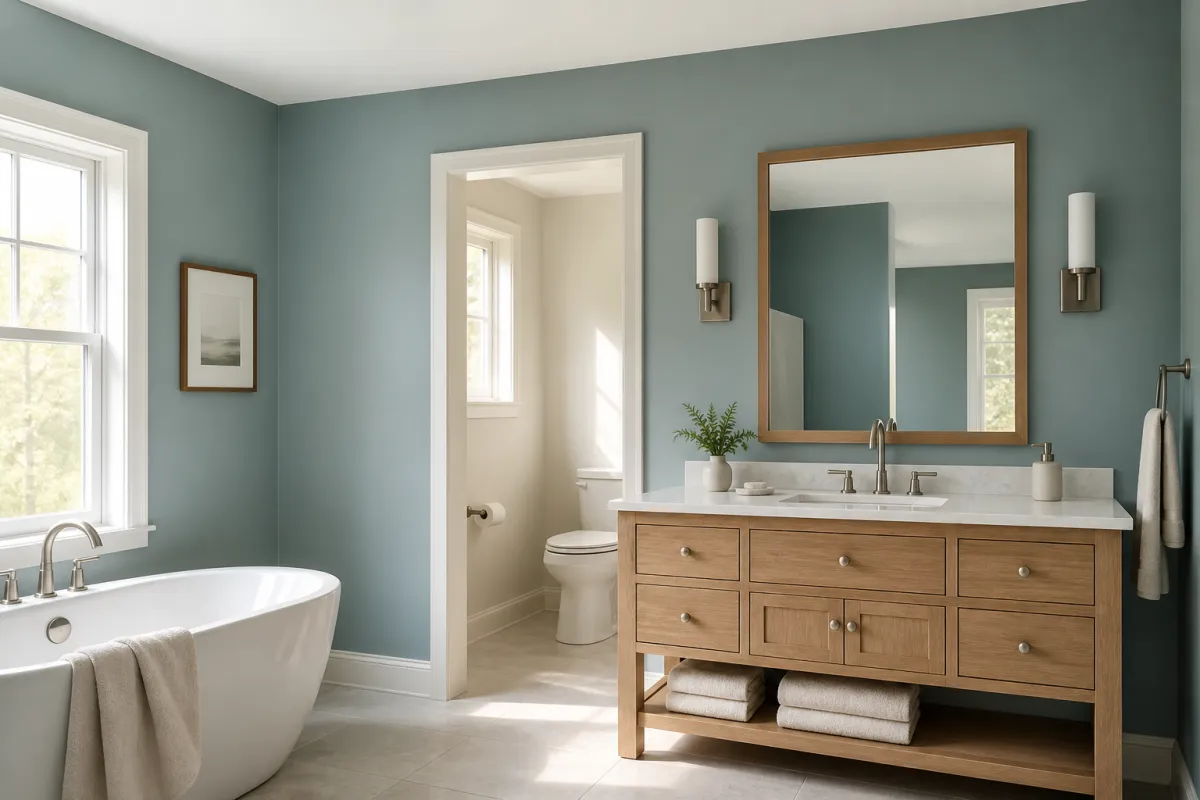
Choosing the best bathroom paint colors can transform a dull, cramped space into a refreshing, inviting oasis. Bathrooms are unique rooms with specific challenges—high humidity, limited natural light, and frequent use—that affect how paint looks and performs. Whether you own your home or rent, picking the right paint color is about more than just aesthetics; it’s about durability, mood, and functionality.
This practical guide walks you through everything you need to know—from initial checks and color psychology to safety considerations and when to call a professional. By the end, you’ll understand how to select paint colors that not only enhance your bathroom’s style but also stand up to the unique demands of this space.
Why Choosing the Right Bathroom Paint Color Matters
The best bathroom paint colors do more than make your space look good. They can:
- Create a sense of space: Light colors can make a small bathroom feel larger, while darker hues add drama and coziness.
- Set the mood: Soft blues and greens promote calm, while vibrant colors energize.
- Protect walls: Bathrooms have high humidity, so the right paint finish and quality can prevent peeling and mold growth.
- Complement fixtures and finishes: Coordinating paint with tile, cabinetry, and hardware creates a cohesive look.
Picking the wrong paint can lead to disappointment—colors that look great in the store may appear dull or harsh under bathroom lighting, or the paint may peel prematurely from moisture exposure. Understanding the factors that influence your choice will help you avoid costly mistakes and enjoy your bathroom makeover longer.
What to Check Before Choosing Bathroom Paint Colors
1. Assess Your Bathroom’s Lighting
Natural and artificial lighting dramatically affect how paint colors appear. A color that looks bright and fresh in daylight may seem dull or overpowering under warm, yellowish bathroom lights.
- Natural light: Note the direction your bathroom window faces. North-facing rooms get cooler, less direct light, making colors appear bluer and darker. South-facing rooms have warmer light, which can make colors look richer.
- Artificial light: Bathrooms often use warm white or daylight LED bulbs. Warm bulbs bring out yellows and reds; cool bulbs enhance blues and greens.
Test paint samples on your bathroom walls and observe them at different times of day and under your light fixtures before committing.
2. Check Wall Condition and Ventilation
Before painting, inspect walls for moisture damage, peeling paint, or mold. Bathrooms with poor ventilation are prone to humidity problems that can ruin paint and cause health issues.
- Fix leaks and mold: Address plumbing leaks and clean mold with appropriate cleaners before painting.
- Improve ventilation: Use exhaust fans or open windows to reduce moisture buildup.
- Prep walls properly: Use a primer designed for bathrooms to block stains and improve paint adhesion.
3. Consider Your Bathroom Size and Layout
Smaller bathrooms benefit from light, reflective colors that open up space visually. Large bathrooms can handle darker or bolder colors without feeling cramped.
Also, think about how your paint color will work with fixtures like vanities, tiles, and flooring. A cohesive palette makes the design feel intentional.
Best Bathroom Paint Color Options and How to Choose Them
Here are some of the most popular and practical bathroom paint colors, along with their pros, cons, and style notes:
1. Soft Blues and Aquas
- Why choose them? Blues and aquas evoke water and tranquility, making them classic bathroom choices. They’re calming and suit both modern and traditional styles.
- Tradeoffs: Some blues can feel cold or sterile if overdone. Pair with warm accents like wood or brass to balance.
- Popular shades: Sky blue, robin’s egg, seafoam.
2. Crisp Whites and Off-Whites
- Why choose them? White reflects light well, making bathrooms feel clean and spacious. Off-whites add warmth without starkness.
- Tradeoffs: Pure white can show dirt and imperfections more readily. Off-whites may yellow over time if exposed to moisture.
- Popular shades: Classic white, cream, ivory.
3. Soft Grays and Greiges
- Why choose them? Gray and greige (gray-beige) are versatile neutrals that add sophistication without overwhelming. They pair well with modern fixtures.
- Tradeoffs: Some grays can look cold or dull in low light. Choose warm undertones if your bathroom lacks natural light.
- Popular shades: Dove gray, greige, charcoal.
4. Warm Neutrals (Beiges, Taupes)
- Why choose them? Warm neutrals create cozy, inviting bathrooms. They work well with natural materials like stone and wood.
- Tradeoffs: Can feel dated if too brown or yellow. Balance with crisp white trim or modern accessories.
- Popular shades: Sand, taupe, camel.
5. Moody Dark Colors (Navy, Forest Green, Charcoal)
- Why choose them? Dark colors add drama and depth, making a statement in larger bathrooms or powder rooms.
- Tradeoffs: Can make small bathrooms feel cramped or cave-like. Use as accent walls or with plenty of lighting.
- Popular shades: Navy blue, emerald green, deep charcoal.
6. Pastels and Light Pinks
- Why choose them? Soft pastels add warmth and personality without overpowering. Light pinks can feel fresh and unexpected.
- Tradeoffs: Pastels may look washed out under harsh lighting. Use in well-lit bathrooms.
- Popular shades: Blush pink, lavender, mint.
Paint Finish and Quality: What to Know
Choosing the right paint finish is as crucial as the color for bathroom durability:
- Semi-gloss or satin finishes are best for bathrooms because they resist moisture and are easy to clean.
- Flat or matte finishes absorb moisture and stain more easily, so they’re less suitable for walls but can work on ceilings.
- Use mildew-resistant paint or add a mildew-resistant additive to your paint for extra protection in high-humidity areas.
- Invest in quality paint: Cheaper paints often lack durability and coverage, leading to more coats and earlier repainting.
Common Mistakes to Avoid When Painting Your Bathroom
1. Ignoring Ventilation and Moisture Issues
Painting over damp or moldy walls without addressing the root cause leads to peeling paint and health hazards. Always fix leaks and improve airflow before painting.
2. Skipping Primer or Using the Wrong Type
Bathrooms often have stains, previous paint, or moisture damage. Using a primer designed for bathrooms ensures better adhesion and stain blocking.
3. Choosing Paint Colors Based Only on Swatches
Small paint chips don’t reveal how colors look on large walls or under different lighting. Always test paint patches on your walls.
4. Using Flat or Matte Paint on Walls
Flat finishes absorb moisture and are harder to clean, making them unsuitable for bathroom walls.
5. Overlooking Safety When Painting
Some paints emit strong fumes. Ensure good ventilation and wear masks when painting, especially in small bathroom spaces.
When to Call a Professional Painter or Contractor
While many homeowners and renters can paint their bathrooms themselves, certain situations warrant professional help:
- Extensive mold or water damage: Professionals can remediate mold safely and repair underlying damage.
- Complex surfaces: Textured walls, high ceilings, or intricate trim may need expert preparation and painting.
- Electrical safety: If painting near light fixtures or switches, or if you plan to install new fixtures, hire a licensed electrician.
- Time constraints or lack of experience: Pros deliver a smooth, durable finish faster and with less stress.
- Rental properties: Always check with your landlord and follow lease rules before painting.
FAQ: Best Bathroom Paint Colors
Q: Can I use regular interior paint in my bathroom?
A: It’s best to use paint formulated for bathrooms or kitchens, which resists moisture and mildew better than standard interior paint.
Q: What paint finish is best for bathroom ceilings?
A: A flat or matte finish is fine for ceilings as it hides imperfections and isn’t exposed to as much moisture.
Q: How many coats of paint do I need for a bathroom?
A: Typically, two coats of quality paint over a primer provide good coverage and durability.
Q: Can I paint over tile in the bathroom?
A: Special tile paints exist but painting tile is usually a temporary solution. Proper surface prep is critical, and repainting may be needed sooner than wall paint.
Q: How do I prevent mold growth on bathroom walls?
A: Use mildew-resistant paint, ensure good ventilation, fix leaks promptly, and clean regularly.
Bathroom Paint Color Selection Checklist
| Step | Action | Notes |
|---|---|---|
| 1. Assess lighting | Observe natural & artificial light | Test paint samples at different times |
| 2. Inspect walls | Check for moisture, mold, damage | Repair issues before painting |
| 3. Choose paint finish | Select semi-gloss or satin | Use mildew-resistant paint |
| 4. Pick color palette | Match with fixtures, size, and mood | Use test patches |
| 5. Prep surfaces | Clean, sand, and prime | Use bathroom-specific primer |
| 6. Paint safely | Ventilate, wear masks if needed | Follow manufacturer’s instructions |
| 7. Consider professional help | For mold, complex jobs, or electrical work | Protect your investment |