Curtains or Blinds: Which Window Treatment Suits Your Home Best?
A practical guide for homeowners and renters looking for practical decorating ideas on curtains vs blinds which is better, covering the best next steps, tradeoffs, and when to call a pro.
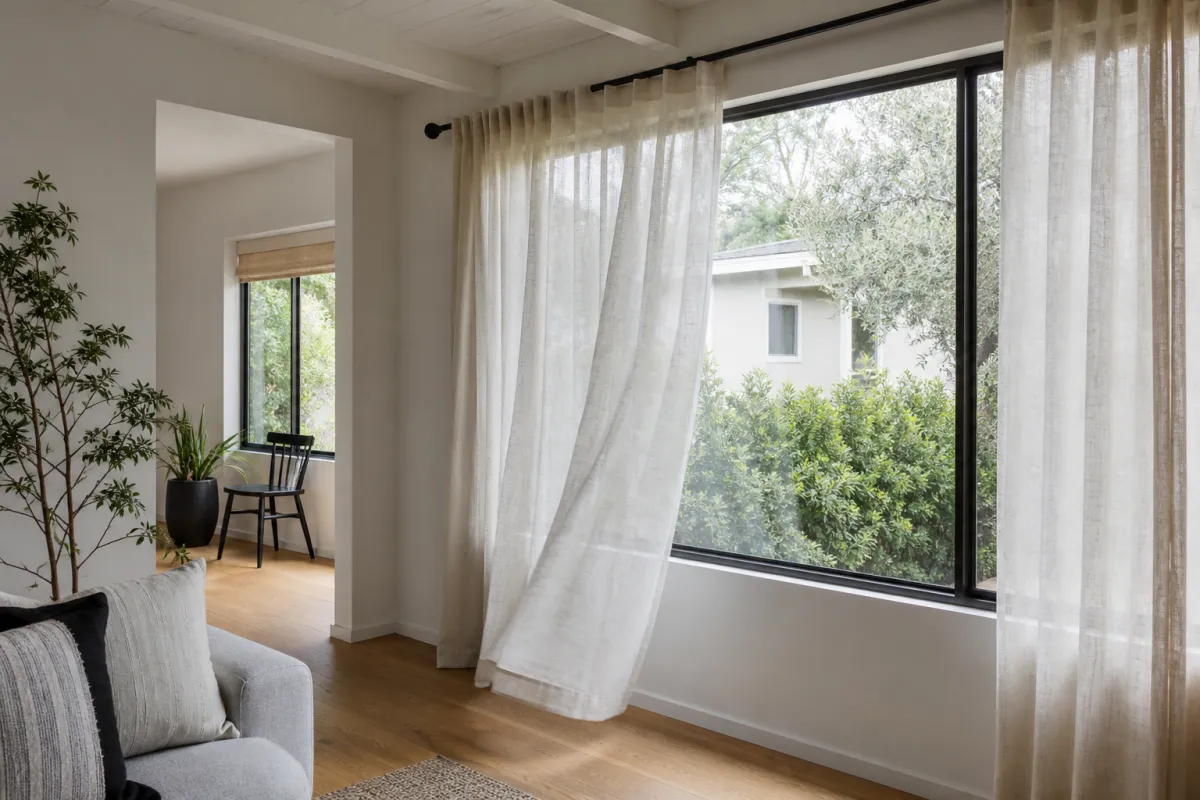
Choosing between curtains and blinds is a common dilemma for homeowners and renters looking to enhance their space’s style, comfort, and functionality. Both window treatments offer distinct advantages and limitations, and understanding these can help you make a practical, informed decision. This guide explores the key factors to consider, compares the best options, highlights common mistakes, and advises when professional help is advisable.
Why Choosing Between Curtains and Blinds Matters
Window treatments do more than just cover your windows—they control light, provide privacy, contribute to insulation, and complete your room’s aesthetic. Making the right choice affects your daily comfort, energy bills, and even the longevity of your furnishings.
Curtains and blinds serve different purposes and suit different lifestyles. Curtains often bring softness, warmth, and a decorative element to a room, while blinds provide precise light control and a sleek modern look. Knowing which fits your needs can save you time, money, and frustration down the line.
What to Check First Before Deciding
Before you pick curtains or blinds, start by assessing your room’s specific requirements:
1. Window Size and Shape
Large or unusually shaped windows may limit your options. Curtains can easily accommodate irregular window shapes by custom sizing or layering, whereas blinds often require exact measurements and may not be available for every shape.
2. Room Function and Privacy Needs
Consider how you use the room. Bedrooms and bathrooms usually require more privacy and light control, making blinds with adjustable slats or blackout curtains more suitable. Living rooms or dining areas might benefit from lighter curtains or sheer blinds that diffuse sunlight.
3. Lighting and Sun Exposure
If your windows face intense sunlight, you’ll want window treatments that protect against UV rays and heat. Blinds with adjustable slats allow fine-tuning of sunlight, while thick curtains offer better insulation but less control over partial light.
4. Budget and Maintenance
Curtains and blinds come in a wide range of prices and maintenance needs. Curtains often require regular washing or dry cleaning, while blinds need dusting and occasional wiping. Consider how much time and effort you want to invest in upkeep.
5. Rental Restrictions
If you rent, check your lease for restrictions on drilling holes or making permanent modifications. Blinds often require wall or window frame mounting, which might not be allowed, whereas tension rods for curtains are renter-friendly.
Best Options and Practical Steps to Choose
Here’s a breakdown of popular curtain and blind options, their pros and cons, and practical advice on selecting and installing them.
1. Curtains: Styles and Uses
- Sheer Curtains: Ideal for living rooms or kitchens where you want filtered natural light without sacrificing privacy during the day. They are lightweight and easy to maintain but offer minimal insulation or blackout capacity.
- Blackout Curtains: Perfect for bedrooms or media rooms, these curtains block nearly all light and improve sound insulation. They are usually heavier and require sturdy rods and proper mounting.
- Thermal Curtains: Designed to improve energy efficiency by reducing heat loss in winter and heat gain in summer. They can lower your heating and cooling costs but tend to be thicker and may require professional installation for optimal fit.
Installation Tips: Use brackets rated for your curtain weight, especially for heavy blackout or thermal curtains. Measure width to allow curtains to stack neatly on the sides of the window when open (usually 1.5 to 2 times the window width).
2. Blinds: Types and Suitability
- Venetian Blinds: Made of horizontal slats (wood, aluminum, or faux wood), these allow precise light control and are easy to clean. They suit modern or minimalist interiors but may collect dust.
- Roller Blinds: Simple and sleek, roller blinds provide a clean look and come in blackout or light-filtering fabrics. They are space-saving but offer less flexibility in partial light control.
- Roman Blinds: Fabric blinds that fold neatly when raised, combining softness with structure. They offer good insulation but require regular cleaning.
- Vertical Blinds: Often used for large windows or sliding doors, vertical blinds allow easy access and light control but may feel outdated in some decor styles.
Installation Tips: Blinds typically require drilling into window frames or walls and precise measurements. Use appropriate wall anchors rated for the weight of your blinds to ensure safety and durability.
3. Matching Window Treatments to Room Styles
- For traditional or cozy rooms, curtains with decorative rods and layered fabrics add warmth.
- For contemporary or minimalist spaces, sleek blinds with metallic or neutral finishes offer a clean look.
- In multipurpose rooms, consider combining blinds and curtains for both function and style.
Common Mistakes to Avoid
1. Ignoring Safety and Weight Limits
Heavy curtains need strong rods and wall anchors. Using inadequate hardware risks the rod falling, potentially causing injury or damage. Similarly, blinds must be securely installed, especially in homes with children or pets.
2. Skipping Accurate Measurements
Incorrect measuring leads to treatments that are too short, too narrow, or awkwardly fitted. Measure window height and width at multiple points, and consider whether the treatment will mount inside or outside the frame.
3. Overlooking Maintenance Needs
Some fabrics stain easily or fade in direct sunlight. Blinds can accumulate dust and grime, requiring regular cleaning to maintain appearance and function. Choose materials and colors that suit your lifestyle and cleaning preferences.
4. Choosing Style Over Functionality
A beautiful curtain that doesn’t block enough light or a blind that doesn’t provide privacy can become frustrating. Always prioritize your practical needs before aesthetics.
5. DIY Installation Risks
Improperly installed blinds or curtains can cause damage to walls or windows, and pose safety hazards. If you lack experience with power tools or mounting hardware, consider professional installation.
When to Call a Professional
Certain situations demand expert help to ensure safety, durability, and a polished finish:
- Heavy or Custom Curtains: For draperies heavier than 15 pounds or custom fabrics, professional installation ensures secure mounting and proper stacking.
- Complex Window Shapes: Arched, bay, or floor-to-ceiling windows often require custom treatments and precise fitting.
- Electrical or Motorized Blinds: Installation of motorized blinds or smart home integration should be done by licensed electricians to avoid fire risks and ensure warranty compliance.
- Rental Property Restrictions: Professionals can install non-invasive tension rods or recommend no-drill options that comply with lease agreements.
- Structural Concerns: If your walls are drywall without studs or made of plaster, mounting heavy rods or blinds requires specialist anchors or reinforcement.
FAQ: Curtains Vs Blinds Which Is Better?
Q1: Are curtains better than blinds for insulation?
Curtains, especially thermal or blackout types, generally provide better insulation by creating an air gap between the window and room. Blinds can help but usually offer less thermal resistance.
Q2: Which is easier to clean, curtains or blinds?
Blinds are easier to dust or wipe down regularly. Curtains often need machine washing or dry cleaning, which is more time-consuming.
Q3: Can I combine curtains and blinds?
Yes, layering blinds with curtains offers maximum light control, privacy, and style flexibility. For example, pair sheer blinds with blackout curtains for versatile lighting options.
Q4: Are blinds safer for homes with children?
Cordless blinds or motorized options are safer as they eliminate strangulation hazards. Curtains with tiebacks should be used cautiously around young children.
Q5: How do costs compare between curtains and blinds?
Costs vary widely depending on material and size. Generally, basic blinds are more affordable upfront, while curtains can be pricier but offer more decorative options. Installation costs also vary based on complexity.
Quick-Reference Checklist: Choosing Between Curtains and Blinds
| Factor | Curtains | Blinds |
|---|---|---|
| Light Control | Moderate to full (depends on fabric) | Precise (adjustable slats) |
| Privacy | High with blackout or thick fabrics | High with closed slats or opaque fabrics |
| Insulation | Excellent (thermal/blackout options) | Moderate |
| Maintenance | Requires washing or dry cleaning | Easy dusting and wiping |
| Installation | Easier (tension rods possible) | Requires drilling and precise fitting |
| Style Variety | Wide range of fabrics and textures | Sleek, modern, limited fabric options |
| Child Safety | Potential hazard with cords or tiebacks | Safer with cordless/motorized options |
| Budget Range | Low to high, depending on fabric | Generally affordable, varies by type |