A Practical Guide to Choosing the Best Indoor Plants for Low Light Rooms
A practical guide for homeowners and renters looking for practical decorating ideas on best indoor plants for low light rooms, covering the best next steps, tradeoffs, and when to call a pro.
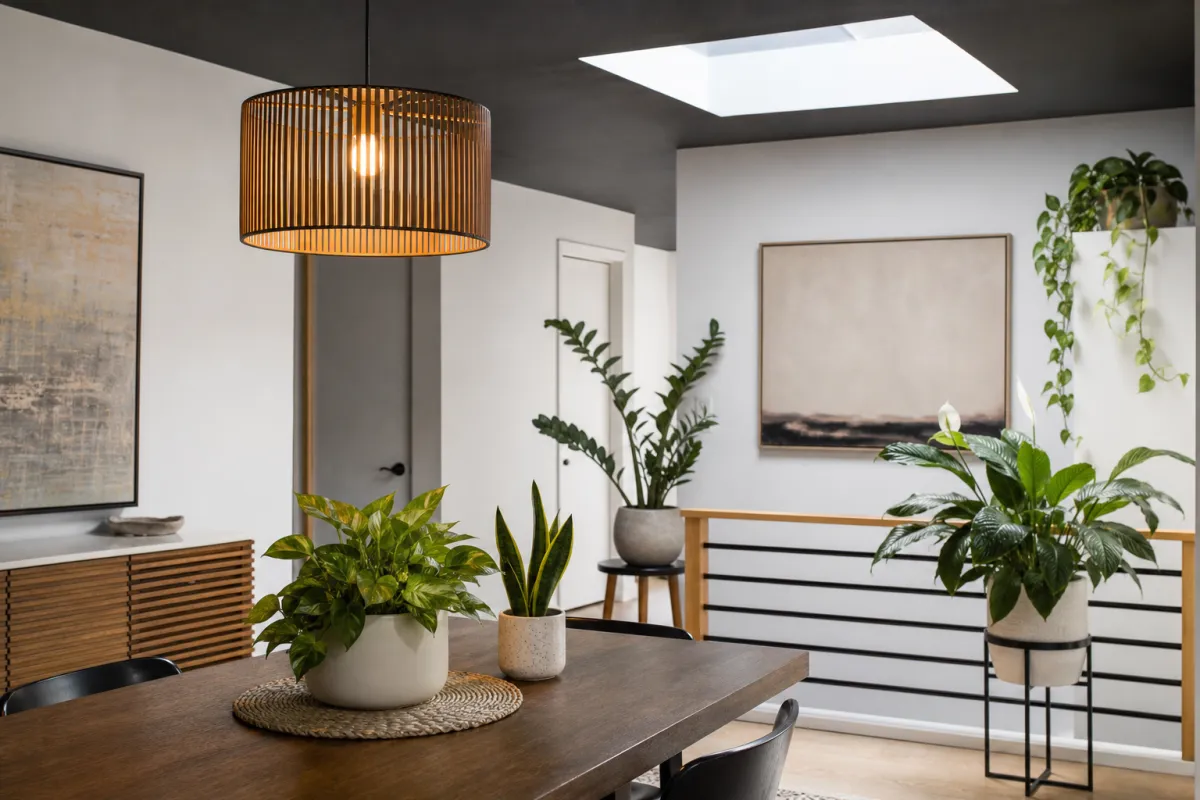
Bringing greenery into your home is one of the most rewarding ways to boost mood, improve air quality, and add natural beauty to your space. However, not every room offers abundant sunlight, which can limit your choice of indoor plants. If you have a room with limited natural light, selecting the best indoor plants for low light rooms is essential to ensure your plants thrive and your décor flourishes.
This guide will help homeowners and renters understand how to assess their lighting conditions, pick plants that flourish in low light, avoid common mistakes, and know when to seek professional advice. Whether you want to brighten a cozy corner, refresh your office, or add life to a shadowy hallway, this article will equip you with practical, safe, and stylish ideas.
Why Choosing the Right Indoor Plants for Low Light Rooms Matters
Many people assume that all indoor plants require bright sunlight, but this is a misconception that can lead to frustration and wasted money. Low light rooms—spaces that receive indirect light, shaded windows, or no natural light for most of the day—call for plants that are specially adapted to survive and even thrive under these conditions.
Selecting the right plants for low light is important because:
- Survival and Growth: Plants not suited for low light will struggle, show signs of stress like yellowing leaves or leggy growth, and eventually die.
- Maintenance Ease: Low light plants often require less frequent watering and care, making them ideal for busy homeowners or renters.
- Aesthetic Impact: Healthy plants contribute positively to the look and feel of a room, while struggling plants can detract from your décor.
- Air Quality: Many low light plants naturally filter indoor air pollutants, improving your home environment.
Understanding these factors helps prevent common pitfalls and ensures your investment in plants pays off with lasting enjoyment.
What to Check First Before Choosing Plants for Low Light Rooms
Before heading to a garden center or ordering plants online, take time to evaluate your room’s lighting and environmental conditions carefully. This step is crucial for selecting plants that will thrive.
Assessing Light Levels
Not all “low light” rooms are the same. Here’s how to make a practical assessment:
- Observe the Light Source: Identify windows, skylights, or artificial lighting nearby. Rooms facing north usually receive less direct sunlight, while those facing east or west get some morning or afternoon sun.
- Measure Light Intensity: A simple way is to see if you can read a book comfortably in the room during daylight without turning on lights. If yes, you have low to moderate indirect light; if no, it may be very low light.
- Duration of Light: How many hours of indirect light does the room receive? Even low light plants need some light to photosynthesize.
Consider Other Environmental Factors
- Humidity: Some low light plants prefer higher humidity, which can be a consideration in dry homes or air-conditioned spaces.
- Temperature Fluctuations: Rooms near drafty windows or heating vents may experience temperature swings that affect plant health.
- Space and Placement: Consider available space, whether plants will be on shelves, tables, or hanging, and if pets or children will interact with them.
By taking these initial measurements and considerations, you set yourself up for success and avoid buying plants that will struggle or require complex care.
The Best Indoor Plants for Low Light Rooms: Top Picks and Tradeoffs
Here are some of the best plants known for their ability to thrive in low light conditions, along with practical notes on care, aesthetics, and tradeoffs.
1. Snake Plant (Sansevieria)
- Light Needs: Tolerates very low light but grows faster in moderate indirect light.
- Care: Extremely drought-tolerant; water sparingly to avoid root rot.
- Benefits: Tall, architectural leaves add vertical interest; excellent air purifier.
- Tradeoffs: Can be toxic to pets if ingested; sharp leaf tips need to be placed safely away from children.
2. ZZ Plant (Zamioculcas zamiifolia)
- Light Needs: Thrives in low to moderate indirect light.
- Care: Very low maintenance; infrequent watering needed.
- Benefits: Glossy, waxy leaves create a lush look; highly resilient.
- Tradeoffs: Slow growth means it takes time to fill space; mildly toxic if eaten.
3. Pothos (Epipremnum aureum)
- Light Needs: Does well in low light but prefers moderate indirect light.
- Care: Easy to propagate; water when top inch of soil is dry.
- Benefits: Versatile trailing vine for shelves or hanging baskets; affordable.
- Tradeoffs: Can grow leggy without sufficient light; toxic if ingested by pets.
4. Cast Iron Plant (Aspidistra elatior)
- Light Needs: One of the best for very low light.
- Care: Slow grower; tolerates neglect.
- Benefits: Large, dark green leaves provide a tropical feel.
- Tradeoffs: Slow to recover if overwatered; limited flowering indoors.
5. Peace Lily (Spathiphyllum)
- Light Needs: Low to moderate indirect light.
- Care: Likes moist soil; avoid overwatering.
- Benefits: White flowers brighten dark corners; excellent air purifier.
- Tradeoffs: Needs occasional watering and humidity; toxic to pets.
6. Chinese Evergreen (Aglaonema)
- Light Needs: Performs well in low light.
- Care: Moderate watering; avoid cold drafts.
- Benefits: Variegated leaf patterns add color variety.
- Tradeoffs: Sensitive to cold; toxic if ingested.
7. Philodendron (Heartleaf variety)
- Light Needs: Low light tolerant.
- Care: Water when soil dries out; easy to propagate.
- Benefits: Trailing vine or upright varieties; adaptable.
- Tradeoffs: Can become leggy if light is too low; toxic to pets.
8. Dracaena
- Light Needs: Prefers moderate indirect light but tolerates low light.
- Care: Water when soil is dry; avoid fluoride in tap water.
- Benefits: Striking foliage with color variations.
- Tradeoffs: Sensitive to overwatering; toxic to pets.
Common Mistakes to Avoid When Decorating with Low Light Plants
Even with the best plants, mistakes in placement, care, or expectations can undermine success. Here are some pitfalls to watch for:
Overwatering
A frequent error is watering too often, especially in low light where soil dries slowly. This can cause root rot, a leading cause of plant death. Always check soil moisture before watering and use pots with drainage holes.
Ignoring Plant Toxicity
If you have pets or young children, research plant toxicity carefully. Many low light favorites like pothos, peace lilies, and snake plants are toxic if ingested. Place plants out of reach or choose non-toxic varieties.
Expecting Instant Growth
Low light slows plant growth naturally. Don’t expect rapid filling of space or frequent blooms. Patience and realistic expectations prevent disappointment.
Placing Plants in Complete Darkness
No plant can survive without any light. Avoid placing plants in rooms or corners with zero natural or artificial light. Supplement with grow lights if necessary.
Neglecting Air Circulation and Humidity
Stagnant air and very dry conditions can stress plants. Occasionally rotate plants for even light exposure and consider a humidifier in dry environments.
When to Call a Professional for Indoor Plant Care or Installation
While most low light plants are beginner-friendly, some situations warrant professional help:
Complex Lighting Conditions
If you want to install grow lights or need to redesign lighting for optimal plant health, a lighting specialist or horticulturist can help you select proper fixtures and placement.
Large or Heavy Plants
For large plants like mature dracaenas or palms, professional delivery and installation can prevent damage to your home or injury.
Pest Infestations or Diseases
If you notice persistent pests or diseases, a plant care expert or extension service can provide safe treatment options beyond over-the-counter pesticides.
Custom Plant Walls or Greenery Installations
For elaborate plant walls, terrariums, or integrated greenery in design projects, hiring a landscape designer or interior plant specialist ensures longevity and aesthetics.
FAQ: Best Indoor Plants for Low Light Rooms
Q1: Can low light plants survive in artificial light only?
A1: Many low light plants tolerate artificial light, especially fluorescent or LED grow lights. However, they still need several hours of light daily to thrive.
Q2: How often should I water low light indoor plants?
A2: Generally, water only when the top inch of soil is dry. This may mean watering once every 2–3 weeks depending on humidity and temperature.
Q3: Are there low light plants safe for pets?
A3: Yes, some safe options include spider plants, Boston ferns, and certain palms like the parlor palm. Always verify toxicity before purchasing.
Q4: Can I use low light plants in bathrooms?
A4: Bathrooms with little natural light but higher humidity can be perfect for low light plants like ferns and peace lilies.
Q5: How do I know if my plant is getting too little light?
A5: Signs include slow growth, pale or yellowing leaves, and leggy stems. Moving the plant to a slightly brighter spot or supplementing with grow lights can help.
Quick Reference: Checklist for Selecting and Caring for Low Light Indoor Plants
| Step | What to Do | Notes |
|---|---|---|
| Assess room light | Observe natural and artificial light sources | Use book reading test |
| Choose tolerant plants | Pick from proven low light species | Consider pet safety |
| Check pot and drainage | Use pots with drainage holes | Prevent root rot |
| Water carefully | Water only when soil is dry | Avoid overwatering |
| Monitor plant health | Look for discoloration, leggy growth | Adjust placement if needed |
| Maintain humidity | Use humidifier if air is dry | Especially in winter |
| Rotate plants | Rotate every few weeks for even light exposure | Prevent uneven growth |
| Call pros if needed | For lighting installation or pest issues | Prevent bigger problems |