How to Choose the Best Bathroom Vanity Mirrors: A Practical Guide for Every Home
A practical guide for homeowners and renters looking for practical decorating ideas on best bathroom vanity mirrors, covering the best next steps, tradeoffs, and when to call a pro.
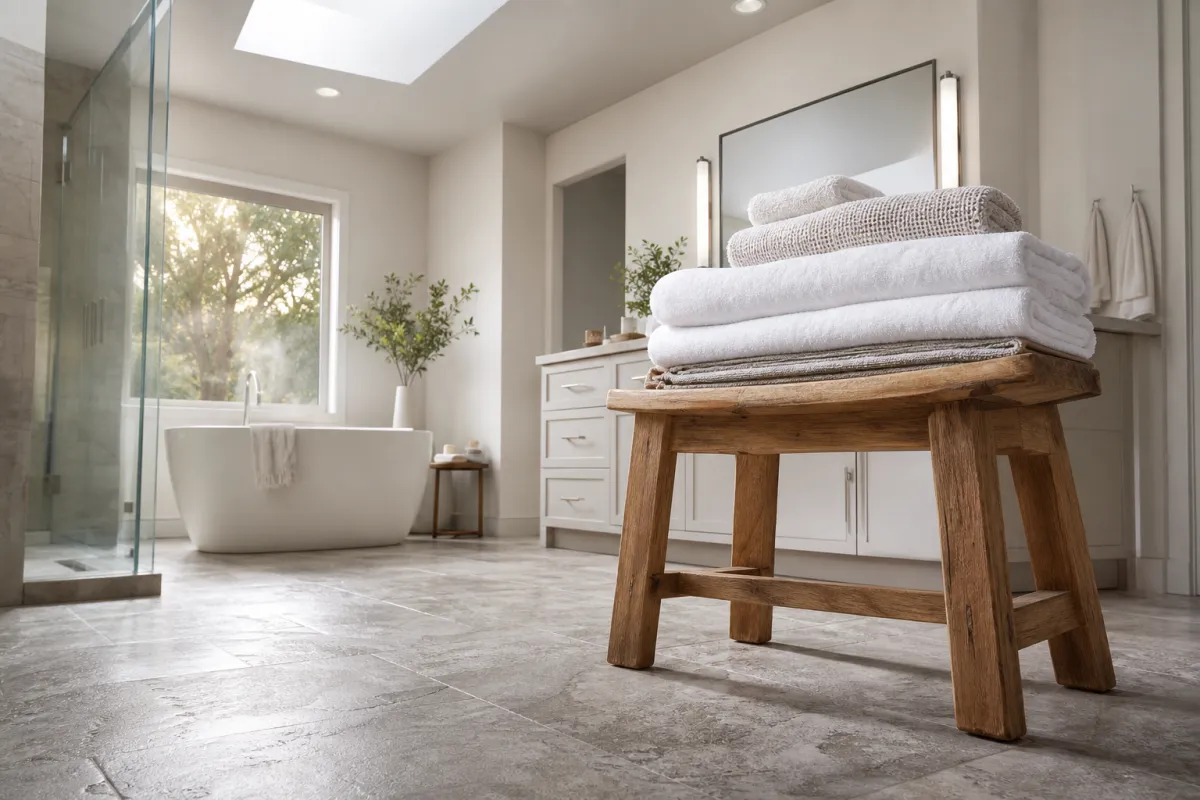
Bathroom vanity mirrors are more than just functional accessories—they define the style, enhance lighting, and influence the overall feel of your bathroom. Whether you’re upgrading an outdated mirror or outfitting a new bathroom, choosing the best bathroom vanity mirrors requires thoughtful planning and practical decision-making. This guide walks you through everything you need to know—from initial considerations to installation tips and safety advice—so you can confidently select the perfect mirror for your space.
Why Picking the Right Bathroom Vanity Mirror Matters
The bathroom mirror is one of the most used fixtures in any home. It impacts daily routines like grooming, applying makeup, and shaving, so clarity and size are crucial. Beyond functionality, the mirror sets the tone for your bathroom’s style, reflecting light and making the space feel larger or cozier depending on your choice.
A well-chosen vanity mirror can also improve lighting conditions, especially when paired with appropriate fixtures, reducing shadows and eye strain. Conversely, the wrong mirror can make your bathroom feel cramped or dim, and poor installation can lead to safety hazards or costly damage.
Understanding what to look for and how to balance style, size, lighting, and safety will help you avoid common pitfalls and get the best mirror for your needs and budget.
What to Check First Before Buying a Bathroom Vanity Mirror
Before browsing mirrors, start with these foundational checks to streamline your decision:
1. Measure Your Space Accurately
Measure the width of your vanity countertop and the height from the countertop to any overhead cabinets or light fixtures. Typically, a mirror should be slightly narrower than the vanity—around 2 to 4 inches less—to maintain balance and avoid crowding. For height, most vanity mirrors range between 30 to 36 inches tall, but consider your ceiling height and the average user’s eye level for comfort.
2. Assess Your Bathroom Lighting
Note the existing lighting setup and whether you plan to add or upgrade lighting around the mirror. Good lighting is essential for mirror use. If your bathroom has poor overhead lighting, consider mirrors with built-in LED lights or plan to install wall sconces on either side of the mirror to reduce shadows.
3. Identify Your Bathroom Style and Color Scheme
Your mirror should complement your bathroom’s existing design. Are you going for modern minimalism, vintage charm, rustic warmth, or sleek contemporary? The frame material, shape, and finish (e.g., brushed nickel, matte black, wood) should harmonize with your vanity, faucets, and cabinetry.
4. Determine Your Mounting Options
Check your wall type (drywall, tile, plaster) and whether you have studs or need special anchors. This affects both the type of mirror you can hang and the hardware required. Heavier mirrors require sturdy anchors or mounting on studs to avoid accidents.
Best Bathroom Vanity Mirror Options and How to Choose Them
Here are the top mirror types and key considerations to help you pick the best bathroom vanity mirror for your situation:
1. Frameless Mirrors: Sleek and Easy to Clean
Frameless mirrors feature polished edges and a minimalist look, ideal for modern or contemporary bathrooms. They are usually lighter and easier to install, but because they lack a frame, they may be more prone to chipping if bumped. Choose tempered glass for safety and durability.
Tradeoff: Less decorative but easy to maintain and visually expansive.
2. Framed Mirrors: Style and Substance
Framed mirrors come in various materials like wood, metal, or resin. They add character and can be a focal point in your bathroom. Wood frames need to be treated or sealed to resist humidity. Metal frames in finishes like brass or matte black can elevate a bathroom’s style but may require more cleaning to avoid fingerprints.
Tradeoff: Heavier and sometimes pricier, but highly customizable.
3. Mirrors with Built-in Lighting
LED mirrors or those with integrated backlighting offer excellent, shadow-free illumination. They often include features like dimming or color temperature adjustment. These mirrors can be more expensive and require electrical wiring, so installation may need a professional.
Tradeoff: Higher upfront cost and installation complexity for superior lighting.
4. Medicine Cabinet Mirrors: Storage Plus Function
If bathroom storage is limited, consider a mirrored medicine cabinet. These combine a mirror with hidden shelves for toiletries. They come in various depths and widths, but installation requires more wall space and sometimes cutting into drywall.
Tradeoff: Bulkier and costlier, but great for small bathrooms.
5. Round and Oval Mirrors: Soft and Inviting
Curved mirrors soften the angular lines typical in bathrooms. They work well in eclectic or traditional designs and can visually enlarge small spaces. Because round mirrors often lack a wide frame, ensure they are securely mounted.
Tradeoff: May not suit all vanity shapes; check size carefully.
6. Smart Mirrors: Tech-Enhanced Convenience
Smart mirrors feature anti-fog elements, touch controls, Bluetooth speakers, or even weather displays. While innovative, these mirrors are more expensive and require electrical hookups. They are best suited for tech-savvy homeowners looking for luxury upgrades.
Tradeoff: High cost and need for professional electrical installation.
Common Mistakes to Avoid When Choosing and Installing Vanity Mirrors
Even experienced DIYers can stumble on these frequent errors:
1. Oversizing or Undersizing the Mirror
A mirror too small looks lost, while one too large can overwhelm the space or interfere with lighting fixtures. Stick to the general rule of leaving 2–4 inches of space on either side of the vanity for balance.
2. Ignoring Wall Material and Mounting Hardware
Heavy mirrors must be anchored into studs or use heavy-duty wall anchors rated for the mirror’s weight. Using inadequate anchors risks the mirror falling and causing injury or damage.
3. Neglecting Ventilation and Humidity Considerations
Bathrooms are humid environments. Choose mirrors with moisture-resistant backing and frames treated to resist warping or mold. Avoid wooden frames without proper sealing.
4. Overlooking Lighting Needs
A beautifully styled mirror is wasted without proper lighting. Position lights to minimize shadows on your face—ideally sconces on either side or a backlit mirror.
5. DIY Electrical Work Without a License
If your mirror requires wiring (for lighting or smart features), hire a licensed electrician. Faulty wiring risks fire hazards and voids insurance.
When to Call a Professional for Bathroom Vanity Mirror Installation
While many mirrors can be installed by handy homeowners, certain conditions warrant professional help:
- Heavy or Large Mirrors: Mirrors over 20 pounds or wider than 36 inches often require two people and specialized mounting hardware. Professionals ensure secure installation on studs or with proper anchors.
- Electrical Mirrors: Any mirror with built-in lighting or smart tech needs electrical wiring. A licensed electrician can safely install wiring to code, avoiding fire risk.
- Wall Modifications: Installing recessed medicine cabinets or custom frames may require drywall cutting or carpentry skills.
- Unstable Walls: Older homes with plaster or fragile walls may need reinforcement before mounting heavy mirrors.
Hiring a pro can prevent accidents, save time, and protect your investment.
FAQ: Best Bathroom Vanity Mirrors
Q1: What size mirror should I get for my bathroom vanity?
A mirror should generally be 2 to 4 inches narrower than your vanity width and about 30 to 36 inches tall, adjusted to your ceiling height and user comfort.
Q2: Are LED vanity mirrors worth the extra cost?
Yes, if you want consistent, shadow-free lighting ideal for grooming. They also save energy and often include dimming or color temperature controls.
Q3: Can I install a vanity mirror myself?
If the mirror is lightweight, frameless, and doesn’t require wiring, DIY installation is usually safe. For heavy mirrors or those with electrical components, professional help is recommended.
Q4: How do I prevent my bathroom mirror from fogging up?
Choose mirrors with built-in anti-fog features or install a small bathroom fan to reduce humidity. Wiping the mirror with a vinegar solution can also help temporarily.
Q5: What is the safest way to mount a heavy mirror on drywall?
Use toggle bolts or molly bolts rated for the mirror’s weight, or secure mounting brackets directly into wall studs.
Bathroom Vanity Mirror Selection Checklist
| Step | Action | Notes |
|---|---|---|
| Measure Vanity & Wall Space | Width, height, and clearance | Leave 2-4" width margin |
| Assess Lighting | Existing fixtures, plan for sconces or LED mirrors | Good lighting reduces shadows |
| Choose Mirror Style | Frameless, framed, medicine cabinet, smart, shape | Match bathroom decor and size |
| Check Wall Material | Drywall, tile, studs location | Select correct anchors or mounting method |
| Evaluate Weight | Mirror weight and size | Heavier mirrors need professional help |
| Confirm Electrical Needs | Wired lighting or smart features | Hire licensed electrician if needed |
| Plan Installation | DIY or professional | Safety first |
| Consider Moisture Resistance | Frame and backing materials | Prevent warping and mold |